Walk into any public library today and watch what happens. People stride directly to computer terminals, type precise searches, print call numbers, and march straight to specific shelves. They grab their target books and leave. Mission accomplished.
Fifty years ago, that same trip would have taken three hours and involved discovering half a dozen books you never intended to find.
The Art of the Accidental Discovery
Before digital catalogs, finding a book meant understanding the Dewey Decimal System well enough to get yourself into the right neighborhood, then letting curiosity take over. You'd start looking for a cookbook and end up three aisles over, flipping through a biography of Theodore Roosevelt because the spine caught your eye.
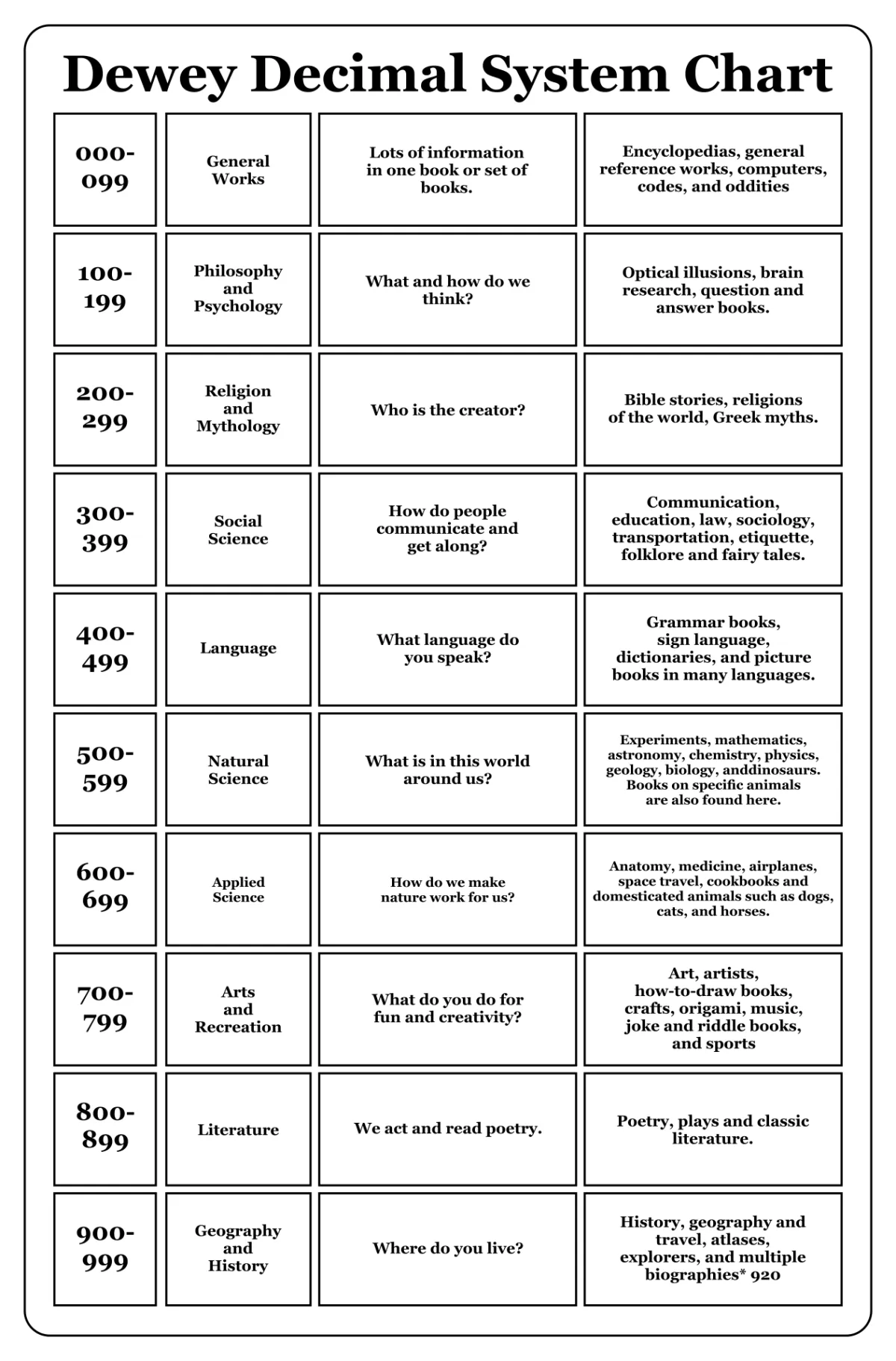 Photo: Dewey Decimal System, via www.printablee.com
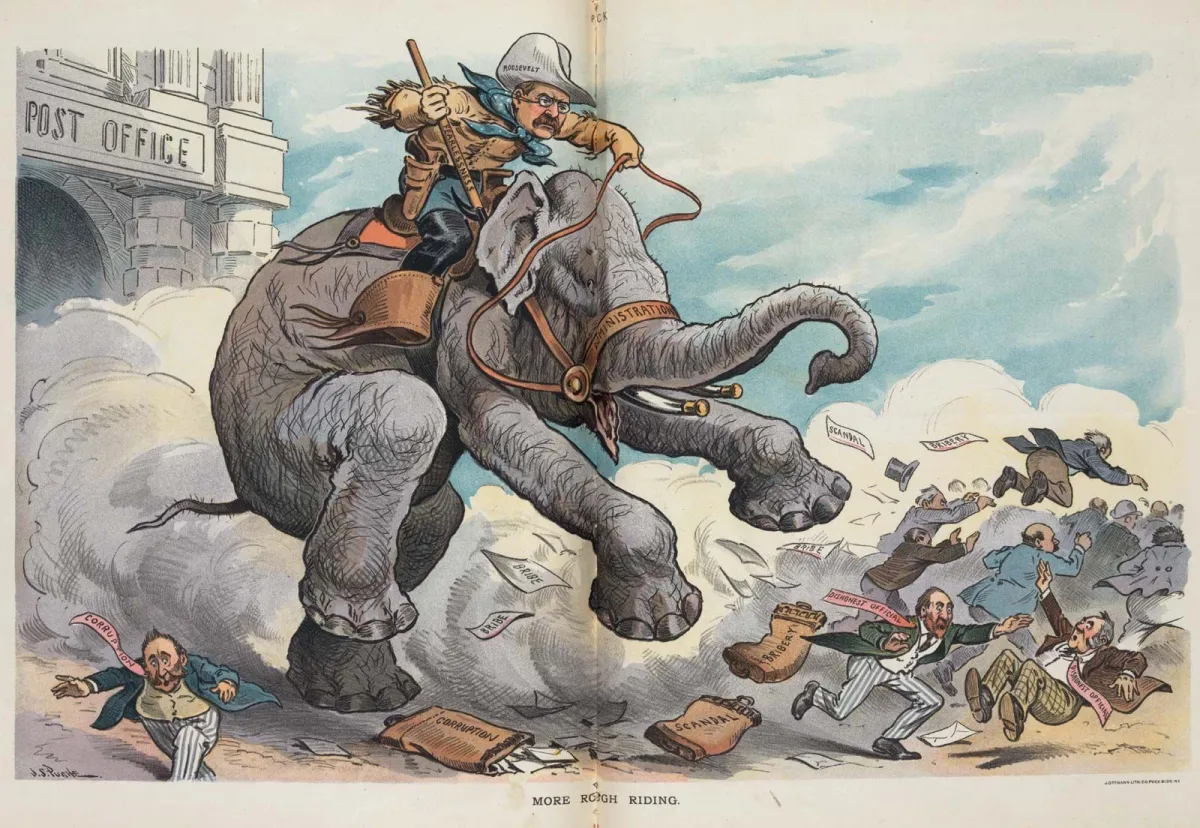 Photo: Theodore Roosevelt, via cdn.britannica.com
Librarians in the 1960s and 70s didn't just help people find specific titles. They were masters of the educated guess, steering patrons toward entire sections they might find interesting. "You liked that mystery? Try walking down this aisle and see what jumps out at you." It wasn't inefficiency—it was a different kind of intelligence at work.
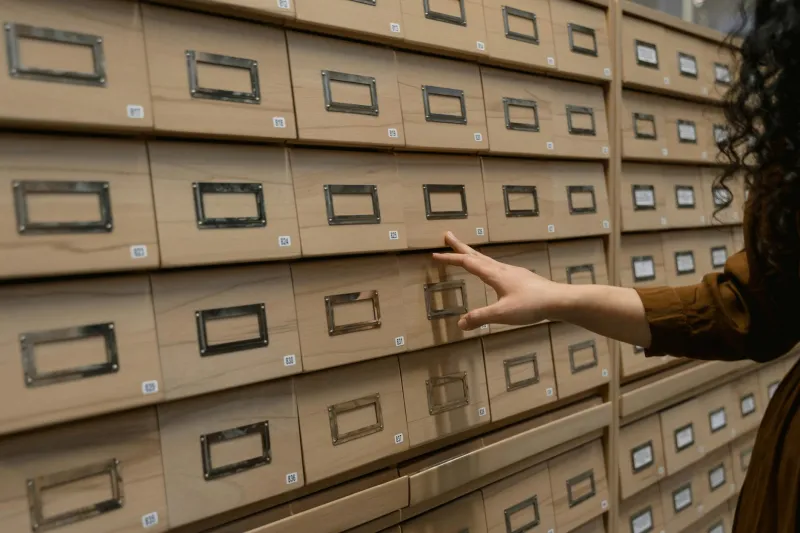
The card catalog system, those endless wooden drawers filled with typed index cards, actually encouraged exploration. You'd look up "Civil War" and discover dozens of related topics filed nearby: military strategy, battlefield medicine, personal memoirs. Each card led to another, creating chains of discovery that no search algorithm has ever quite replicated.
When Getting Lost Was the Point
The physical layout of libraries reinforced this wandering approach. Books were organized by subject, but within those subjects, they were simply arranged by author's last name or publication date. This meant that a casual browser might encounter a groundbreaking academic work right next to a popular paperback, a 1950s perspective sitting beside a 1990s revision.
Children's librarians understood this principle better than anyone. They'd deliberately shelve picture books about dinosaurs next to simple science texts about paleontology, knowing that a curious eight-year-old might graduate from "Danny and the Dinosaur" to "How Fossils Are Formed" in a single afternoon.
This kind of serendipitous learning shaped how entire generations approached knowledge. You didn't just learn facts—you learned how different subjects connected to each other. A trip to research the Great Depression might lead you through sections on photography, labor history, and American literature, creating a web of understanding that went far beyond your original question.
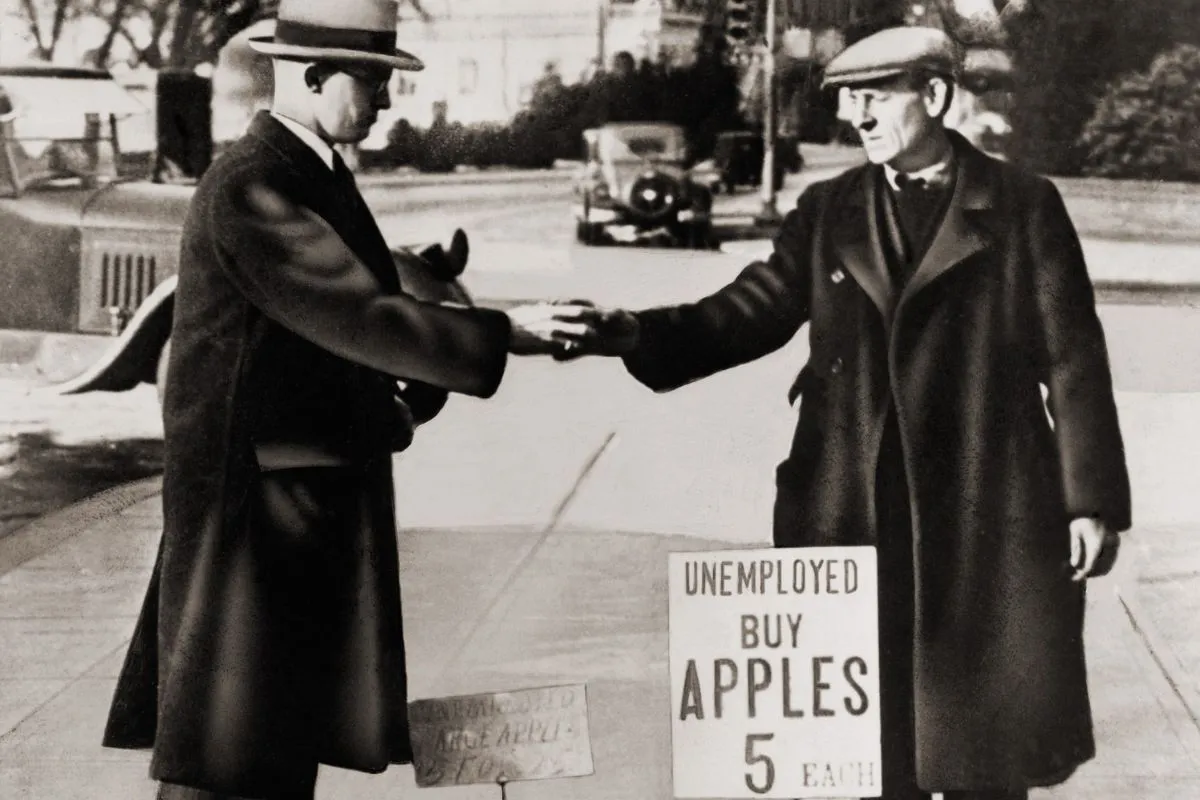 Photo: Great Depression, via www.delhimindclinic.com
The Efficiency Trap
Today's library experience is undeniably more efficient. You can search the entire catalog from home, place holds on specific books, and pick them up without ever wandering past the front desk. Many libraries now offer digital collections that deliver books directly to your device, eliminating the physical building entirely.
But efficiency and discovery don't always play well together. When you search for "World War II," Google's algorithm shows you the most popular and relevant results first. It doesn't show you the memoir that only three people checked out last year but might completely change how you think about the war.
The old library browse was inefficient by design. You'd spend twenty minutes flipping through books you'd never read, scanning tables of contents, reading random paragraphs. Most of that time felt "wasted," but it was actually training your brain to make unexpected connections.
The Librarian as Curator
Pre-digital librarians functioned as human recommendation engines, but with a crucial difference: they knew their entire collection intimately, including the weird, wonderful books that never made bestseller lists. They'd remember that you enjoyed a particular author's style and guide you toward similar writers you'd never heard of.
These librarians also understood something that algorithms still struggle with: the value of intellectual surprise. They might deliberately recommend a book that challenged your existing viewpoints or introduced you to an unfamiliar genre. The goal wasn't just to give you what you wanted—it was to expand what you might want.
What We Actually Lost
The shift from browsing to searching represents more than just technological change. It reflects a fundamental shift in how we approach learning itself. We've moved from exploration-based discovery to answer-based retrieval.
In the browsing era, you'd often leave the library with books you couldn't have searched for because you didn't know they existed. You'd discover poets you'd never heard of, scientific concepts that weren't in your vocabulary, historical events that textbooks had skipped. The inefficiency was the feature, not the bug.
Modern search tools excel at finding specific information, but they're terrible at showing you what you don't know you don't know. They optimize for relevance and popularity, which means the weird, wonderful, forgotten books—often the most transformative ones—rarely surface.
The Paradox of Infinite Choice
Today's libraries offer access to more books than ever before, but most patrons explore far fewer of them. When every book is equally easy to find, we tend to stick with what we already know we like. The friction of physical browsing—the effort required to discover something new—actually encouraged more adventurous reading.
The browsing library forced you to be patient with books. You'd flip through several before finding one that grabbed you. You'd start books you didn't finish, but even those partial reads contributed to your intellectual landscape. Today's instant access paradoxically makes us less likely to take chances on unfamiliar authors or challenging topics.
The old way was slower, less predictable, and often frustrating. It was also how generations of Americans accidentally became smarter, one random discovery at a time. Sometimes the best way to find what you're looking for is to admit you don't know what you're looking for—and let yourself get lost.