Before You Had to Drive for Groceries: When Fresh Food Just Showed Up at Your Door Every Morning
The 5 AM Revolution Nobody Remembers
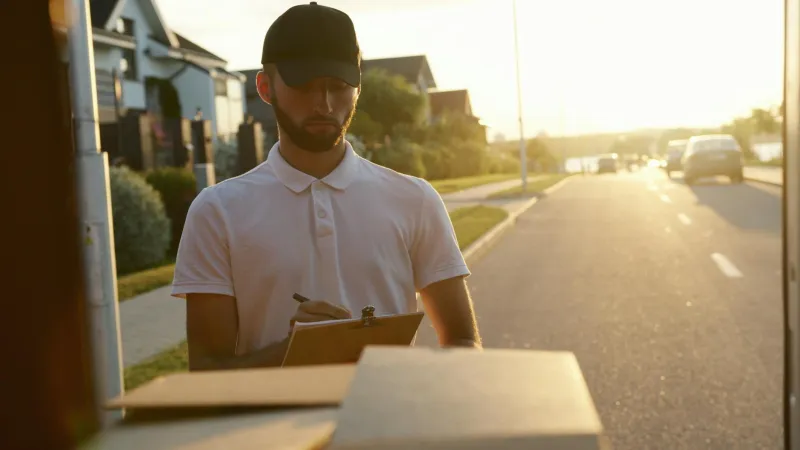
Every morning before sunrise, while most of America slept, thousands of men in white uniforms quietly revolutionized how families ate. They drove electric trucks through neighborhoods, leaving glass bottles of fresh milk, cartons of eggs, and blocks of butter on doorsteps across the country. No apps. No delivery fees. No minimum orders. Just reliable, daily service that kept American kitchens stocked without anyone having to think about it.
This wasn't some quaint small-town tradition — it was infrastructure. By 1950, milkmen served roughly 70% of American households. In cities like Chicago and New York, entire fleets of delivery trucks fanned out before dawn, following routes mapped down to individual customer preferences. Mrs. Johnson wanted two quarts of whole milk and a dozen eggs every Tuesday and Friday. The Smiths needed extra butter on weekends. The milkman knew, remembered, and delivered accordingly.
The System That Actually Worked
What made milk delivery so effective wasn't nostalgia — it was logistics. Dairy companies operated like precision machines, with processing plants, bottling facilities, and delivery routes coordinated to get products from cow to doorstep within hours. Glass bottles were collected, sterilized, and refilled in an endless cycle that made modern recycling programs look amateur.
The economics worked for everyone. Families paid reasonable prices for guaranteed freshness. Dairy companies had predictable revenue from regular customers. Milkmen earned decent wages with benefits, often staying on the same routes for decades and becoming genuine parts of their neighborhoods.
Compare that to today: Americans drive to massive supermarkets where milk might sit for days before purchase, then sits more in our refrigerators. We've traded guaranteed freshness for the illusion of choice, standing in dairy aisles with dozens of brands that all came from the same few processing plants.
The Great Abandonment
So what killed this perfectly functional system? The same forces that reshaped American life after World War II: suburbs, cars, and the promise that bigger was always better.
Supermarkets emerged as temples of consumer choice. Why settle for your milkman's selection when you could drive to a store with entire aisles of dairy products? Never mind that most of those "choices" were identical products with different labels. The shopping experience itself became the point — the feeling of control, of comparison, of conquest over the weekly grocery run.
Suburban sprawl made delivery routes less efficient. When neighborhoods spread out and families moved farther from city centers, the tight geographic clusters that made milk routes profitable began to dissolve. Refrigeration technology improved, meaning milk could last longer, reducing the need for frequent delivery.
But the real killer was cultural. Milk delivery began to feel old-fashioned, a relic of an era Americans were eager to leave behind. The milkman became a symbol of limitation rather than convenience. Having someone else choose your food felt like dependence. Driving to the supermarket felt like freedom.
The Premium Reinvention
Fast-forward to today, and we've essentially reinvented the milkman — then charged extra for the privilege.
Instacart, Amazon Fresh, and grocery delivery apps promise the same basic service: fresh food brought to your door on a regular schedule. The difference is cost and complexity. What was once a standard service available to working-class families now comes with delivery fees, service charges, tips, and membership costs that can easily double the price of groceries.
We've also made it infinitely more complicated. Instead of a milkman who knew your family's needs, we have algorithms that suggest products based on purchase history. Instead of glass bottles collected and reused, we have cardboard boxes and plastic bags that pile up in landfills. Instead of neighborhood routes that built community connections, we have gig workers racing between strangers' doors.
The modern version isn't necessarily worse — it offers more variety and flexibility. But it's telling that we've taken a system that once worked for everyone and turned it into a premium service that many families can't afford.
What We Actually Lost
The disappearance of milk delivery represents more than just a shift in shopping habits. It marked the end of an economy built around predictable, relationship-based services and the beginning of one built around individual choice and convenience.
The milkman knew your family. He might extend credit during tough times, or remember that you were going on vacation. Today's grocery delivery driver is following GPS directions to an address, completing a transaction with someone they'll likely never see again.
We gained the freedom to choose from thousands of products at any time. We lost the simplicity of having basic needs met automatically, without thought or effort. We gained the efficiency of one-stop shopping. We lost the community connections that came with regular, personal service.
The Irony of Progress
The real kicker? Modern grocery delivery often isn't even better at the basic job. Milk delivery guaranteed freshness — your milk was probably bottled the day before you received it. Today's grocery delivery might bring you milk that's been sitting in a warehouse, then a store, then a delivery vehicle for days.
The milkman's electric trucks were environmentally friendly decades before anyone cared about carbon footprints. Today's delivery system involves multiple vehicles, packaging waste, and longer supply chains that create more environmental impact per gallon of milk delivered.
We've essentially taken a working system, dismantled it, then spent decades trying to rebuild something similar — except more expensive, less personal, and often less reliable. The gap between what we had and what we think we've gained reveals something important about how Americans think about progress: sometimes we mistake complexity for improvement and choice for freedom.
The next time you pay a delivery fee for groceries, remember that your grandparents got the same service included in the price — and the milk was probably fresher too.