The Last Music Prophet: How Record Store Clerks Became America's Forgotten Taste Makers
Your Spotify Discover Weekly playlist knows you listened to The National 47 times last month. It knows you skip songs after 30 seconds when they're too experimental, and that you're 73% likely to enjoy indie rock with melancholic vocals recorded after 2010. It serves up new music with surgical precision, tailored to your demonstrated preferences and cross-referenced against the listening habits of thousands of users with similar taste profiles.
It's remarkably effective. It's also nothing like how Americans used to discover music.
The High Priests of Vinyl
For most of the 20th century, musical discovery in America happened through an entirely different kind of intelligence: human intelligence, dispensed by the clerks behind the counter at your local record store. These weren't just retail workers—they were cultural gatekeepers, taste makers, and unofficial music critics rolled into one, armed with encyclopedic knowledge and strong opinions about what you should be listening to.
Walk into Tower Records in 1987, or any of the thousands of independent record stores that dotted American cities and suburbs, and you'd encounter a very specific type of cultural exchange. The clerk—usually young, almost always passionate about music, and never shy about their opinions—would size you up based on your previous purchases, your age, maybe your haircut, and make recommendations that could reshape your entire musical worldview.
"I remember this kid at Fingerprints in Long Beach," recalls Jennifer Walsh, now 45, describing her college years in the early 1990s. "I'd bought maybe three CDs from him over a few months—nothing too adventurous. Then one day he pulls out this unmarked CD-R and says, 'You need to hear this.' It was Neutral Milk Hotel, months before 'In the Aeroplane Over the Sea' got any real attention. That one recommendation completely changed what I listened to for the next decade."
The Art of the Human Algorithm
What made record store clerks so effective wasn't just their knowledge—though most could discuss the genealogy of punk rock or the evolution of hip-hop production techniques with graduate-level expertise. It was their ability to make intuitive leaps that no algorithm could replicate.
They'd notice that you bought both Radiohead and Miles Davis, and somehow know that you'd respond to Tom Waits' experimental period. They'd see you picking up a mainstream indie release and steer you toward something more challenging, gauging your readiness for musical risk-taking in real time. Most importantly, they'd push you outside your comfort zone in ways that felt like discoveries rather than assignments.
"The best record store clerks were like musical therapists," explains Rob Sheffield, music journalist and author. "They'd read your musical personality and prescribe exactly what you needed to hear next. Sometimes that was something similar to what you already liked, but often it was something that would challenge you or introduce you to a whole new world."
This human curation system created a unique dynamic in American music culture. Record stores became cultural hubs where taste was actively shaped and shared. The clerk's recommendations carried social weight—they were endorsements from someone whose musical credibility you'd come to trust. Getting turned onto a great band by your record store guy felt like being let in on a secret.
The Economics of Musical Risk
The old system also operated under entirely different economic constraints that shaped how people discovered music. In 1985, a new album cost $8-12—a significant investment that demanded careful consideration. You couldn't sample the entire album beforehand, couldn't skip tracks you didn't like, and couldn't immediately move on to something else if your purchase disappointed you.
This scarcity created a different relationship with music discovery. Record store clerks became crucial because the cost of a bad recommendation was real. But it also meant that when you found something great, you lived with it. You played that album dozens of times, discovering layers and nuances that only revealed themselves through repeated listening.
"When you spent your allowance on an album, you were committed to making it work," says Marcus Thompson, 38, who worked at an independent record store in Seattle during the late 1990s. "People would come back weeks later to tell me how an album I'd recommended had grown on them. That kind of deep engagement with music is rare now when everything is instantly available and instantly replaceable."
The Rise of the Algorithm
The transformation didn't happen overnight. First came online retailers like CDNow and Amazon, which offered algorithmic recommendations based on purchase history—"People who bought this also bought that." Then came file sharing, which democratized music discovery but eliminated the economic friction that made recommendations valuable. Finally came streaming services, which could offer unlimited access to vast catalogs while using sophisticated data analysis to predict what users might enjoy.
Spotify's recommendation engine processes billions of data points: what songs you play, when you skip them, what playlists you create, what your friends are listening to, and how your behavior compares to millions of other users. It can identify patterns in your listening habits that you might not even be conscious of, and serve up new music with remarkable accuracy.
The results are undeniably effective. Most Spotify users report high satisfaction with their algorithmic recommendations. The system is available 24/7, never has bad days or personal biases, and can draw from a catalog of over 70 million songs—far more than any human could ever master.
What We Lost in Translation
But something essential was lost when musical discovery moved from human to artificial intelligence. Record store clerks didn't just recommend music—they created social connections around shared taste. They introduced context, backstory, and cultural significance that no algorithm can provide. They could explain why a particular album mattered, how it fit into larger musical movements, or why you should care about a band's influences.
More importantly, they could make recommendations based on intuition rather than data. They might suggest something specifically because it was unlike anything you'd bought before, or because they sensed you were ready for a challenge. Human recommendation could be wrong in ways that led to interesting discoveries, while algorithmic recommendations are designed to minimize the risk of user dissatisfaction.
"Algorithms optimize for engagement," notes Liz Pelly, a music journalist who has studied streaming platforms extensively. "They want to keep you listening, which often means giving you more of what you already like. Record store clerks optimized for discovery—they wanted to blow your mind, even if it meant occasionally recommending something you'd hate."
The Social Architecture of Taste
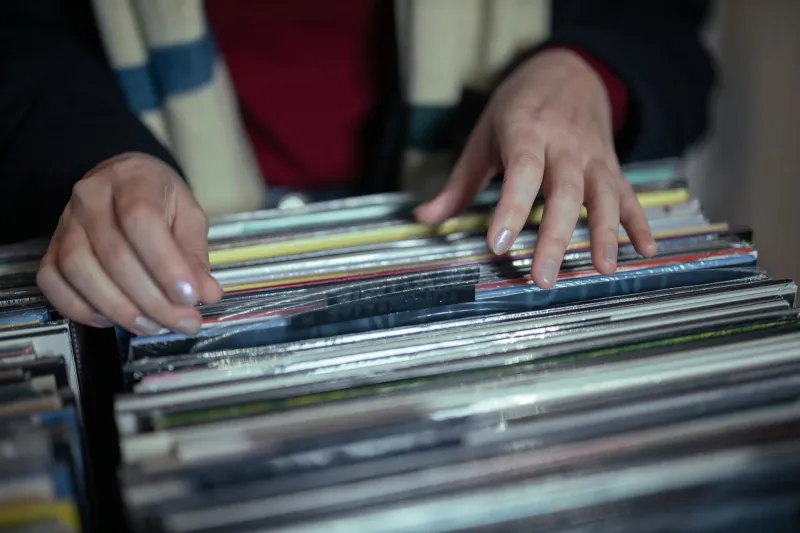
Record stores also served as community hubs where musical taste was socially constructed. Regular customers would get to know each other, share recommendations, and engage in passionate debates about music. The physical space encouraged browsing and serendipitous discovery in ways that digital interfaces, despite their sophistication, struggle to replicate.
"There was this whole social ritual around record shopping," remembers Sarah Kim, who managed a college town record store in the early 2000s. "People would spend hours flipping through bins, talking to other customers, asking what we were playing over the sound system. It was a social experience where taste was shaped through interaction, not just consumption."
The Now Gap
Today, musical discovery is more efficient but less social, more accurate but less surprising. Spotify's algorithm might introduce you to your new favorite band, but it can't tell you why that band matters, can't share the excitement of discovering something great, and can't challenge your assumptions about what you might like.
We've gained unprecedented access to music and remarkably sophisticated tools for finding new songs we'll probably enjoy. We've lost the human element of musical discovery—the social connections, the cultural context, and the productive friction that came from having your taste shaped by another person rather than a machine.
The last great record stores still operating in America try to bridge this gap, combining human curation with digital convenience. But they're fighting against economic forces that make their model increasingly difficult to sustain. The age of the record store clerk as cultural gatekeeper is largely over, replaced by algorithms that know our musical preferences better than we know ourselves—but can never quite capture the magic of a stranger behind a counter saying, "Trust me, you need to hear this."