The Counter Where Dreams Waited
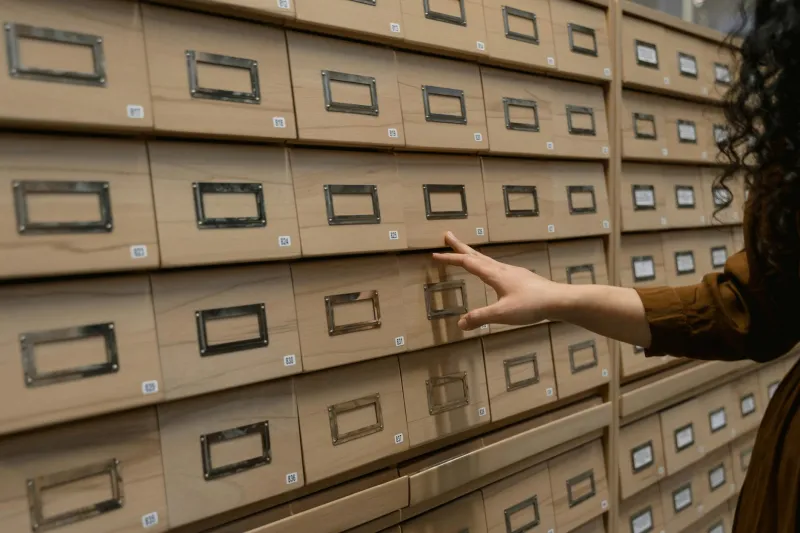
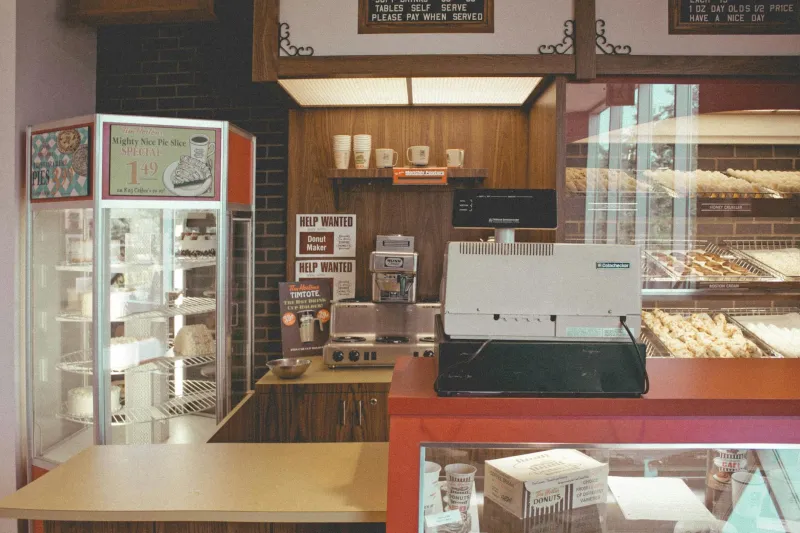
Walk into any Kmart, Sears, or Woolworth in 1975, and you'd find it tucked near the back: the layaway counter. Behind that counter sat rows of shelves holding wrapped packages, each tagged with a customer's name and payment schedule. A bicycle for Tommy. A winter coat for Mom. A television set for the family room.
These weren't abandoned purchases or returned merchandise. They were Christmas presents, birthday gifts, and household necessities that working families were buying the old-fashioned way — one payment at a time, before taking them home.
Layaway represented something that seems almost quaint today: the radical idea that you should pay for things before you owned them, not after.
How Working Families Funded Christmas Without Going Broke
The system was elegantly simple. You'd pick out what you wanted, make a small down payment (usually 10-20% of the total price), and the store would hold your item while you made weekly or monthly payments. Only when you'd paid in full could you take it home.
This wasn't a luxury service for the wealthy — it was a necessity for working-class families who couldn't afford to drop $200 on a Christmas morning surprise but could manage $10 a week for twenty weeks. Department stores built entire business models around layaway because it served a massive population that lived paycheck to paycheck but refused to live beyond their means.
The timing worked perfectly with American family life. Parents would start layaway shopping in September for Christmas, giving themselves three months to pay off everything before December 25th. By Thanksgiving, the layaway sections of major stores looked like overcrowded warehouses, packed with bicycles, dolls, electronics, and winter coats waiting for their final payments.
The Discipline That Credit Cards Destroyed
Layaway taught lessons that credit cards systematically untaught. First, it made you think carefully about what you really wanted. When you had to commit to twenty weeks of payments, impulse purchases became impossible. You didn't put a television on layaway unless you were absolutely certain you wanted that specific television.
Second, it created anticipation in a way that instant gratification never could. Children knew their Christmas presents were "at the store" waiting for the final payment. Families would drive by Sears and point to the layaway section, building excitement for something they were earning rather than simply buying.
Most importantly, layaway made debt literally impossible. You couldn't owe money on something you hadn't taken home yet. If you couldn't make your payments, you lost your deposit and the store resold the merchandise. No credit scores were damaged. No interest accumulated. No collection agencies got involved.
When Stores Competed to Hold Your Money
Major retailers didn't just offer layaway — they competed on layaway terms. Sears allowed six months to pay with no service fees. Montgomery Ward offered layaway on everything from appliances to automobiles. Local department stores stayed competitive by offering more flexible payment schedules than the national chains.
 Photo: Montgomery Ward, via www.logotypes101.com
The economics worked for everyone. Stores got guaranteed sales and steady cash flow. Customers got access to merchandise they couldn't afford upfront. Manufacturers got predictable orders because stores could confidently stock items they knew were already sold.
Layaway sections became social spaces where working families planned their financial futures. Customers would discuss payment strategies, compare prices, and help each other navigate the system. Store employees knew their layaway customers by name and would call when payments were overdue or when similar items went on sale.
The Credit Revolution That Made Waiting Seem Stupid
Credit cards existed in the 1970s, but they weren't universal financial tools — they were convenience products for affluent customers who could pay their balances monthly. The real transformation came in the 1980s when banks began aggressively marketing credit to working-class Americans who had previously relied on layaway.
The pitch was irresistible: why wait six months to take home what you could have today? Credit cards promised to eliminate the inconvenience of layaway while providing the same purchasing power. What they didn't advertise was that they eliminated layaway's built-in spending discipline along with the waiting.
Retailers quickly realized that credit sales were more profitable than layaway. Credit card companies absorbed the risk and hassle of collection while stores got immediate payment. There was no inventory to manage, no payment schedules to track, no customer service headaches when people couldn't make their payments.
The Invisible Cost of Instant Everything
By 2000, most major retailers had eliminated layaway entirely. The counter that once held Christmas dreams was converted to electronics displays or seasonal merchandise. The infrastructure that had helped working families afford big purchases without going into debt simply disappeared.
What replaced it was a culture of immediate gratification funded by perpetual debt. Instead of saving for twenty weeks to buy a television, families began carrying television debt for twenty months. The discipline of wanting something, planning for it, and earning it was replaced by the convenience of wanting something and having it immediately.
The numbers tell the story. In 1980, the average American family carried $3,000 in credit card debt (in today's money). By 2020, that number had tripled to $9,000. We gained the ability to have anything we wanted immediately and lost the ability to live within our means.
The Return of an Old Idea
Layaway never completely disappeared — it just moved online and got rebranded. Today's "buy now, pay later" services like Affirm and Klarna are essentially layaway in reverse. Instead of paying first and receiving later, you receive first and pay later. The convenience is undeniable, but so is the debt.
Some traditional retailers have quietly brought layaway back, recognizing that not everyone wants to finance their purchases. Walmart, Kmart, and Burlington still offer layaway programs, particularly during the holiday season. But these feel like nostalgic throwbacks rather than mainstream financial tools.
The difference reveals how fundamentally American consumer culture has changed. Layaway assumed that waiting was normal and debt was to be avoided. Modern consumer finance assumes that waiting is intolerable and debt is inevitable.
What We Lost When We Stopped Waiting
Layaway represented more than a payment system — it was a philosophy about money, desire, and self-control. It assumed that good things were worth waiting for and that the anticipation could be as satisfying as the possession.
Families who used layaway learned to plan, save, and prioritize in ways that instant credit made unnecessary. Children learned that Christmas presents required months of family sacrifice, not just a trip to the store. Parents learned to distinguish between wants and needs because layaway made impulse purchases impossible.
We've gained incredible convenience since layaway's heyday. We can buy anything, anytime, anywhere, and have it delivered tomorrow. But we've lost something harder to quantify — the satisfaction of earning something slowly and the security of owning it completely from the moment we brought it home.
The layaway counter wasn't just holding merchandise. It was holding space for a different relationship with money, one where debt wasn't inevitable and waiting wasn't punishment but preparation.