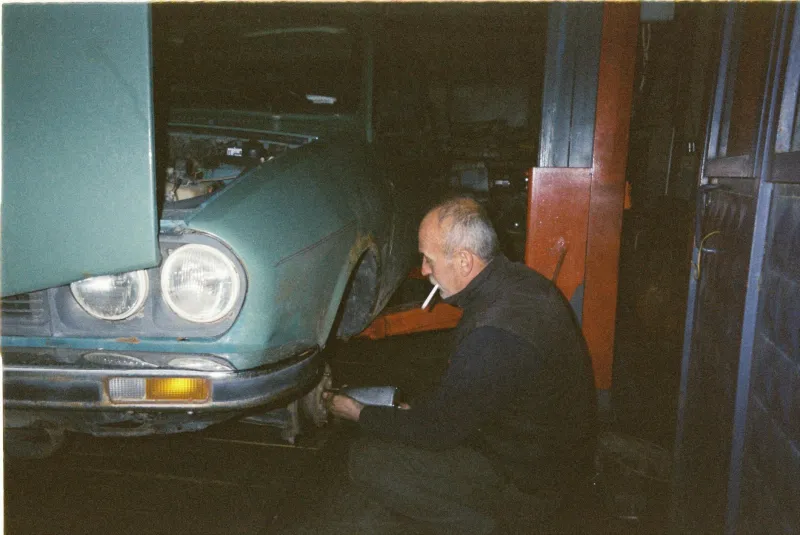
When Car Trouble Meant Someone Was Coming to You
Picture this: It's 1975, your Chevy Nova won't start, and instead of calling a tow truck or googling the nearest dealership, you dial up Eddie from down the street. By noon, he's in your driveway with a worn toolbox, diagnosing the problem while you watch from your porch. Two hours later, you're back on the road for thirty bucks cash.
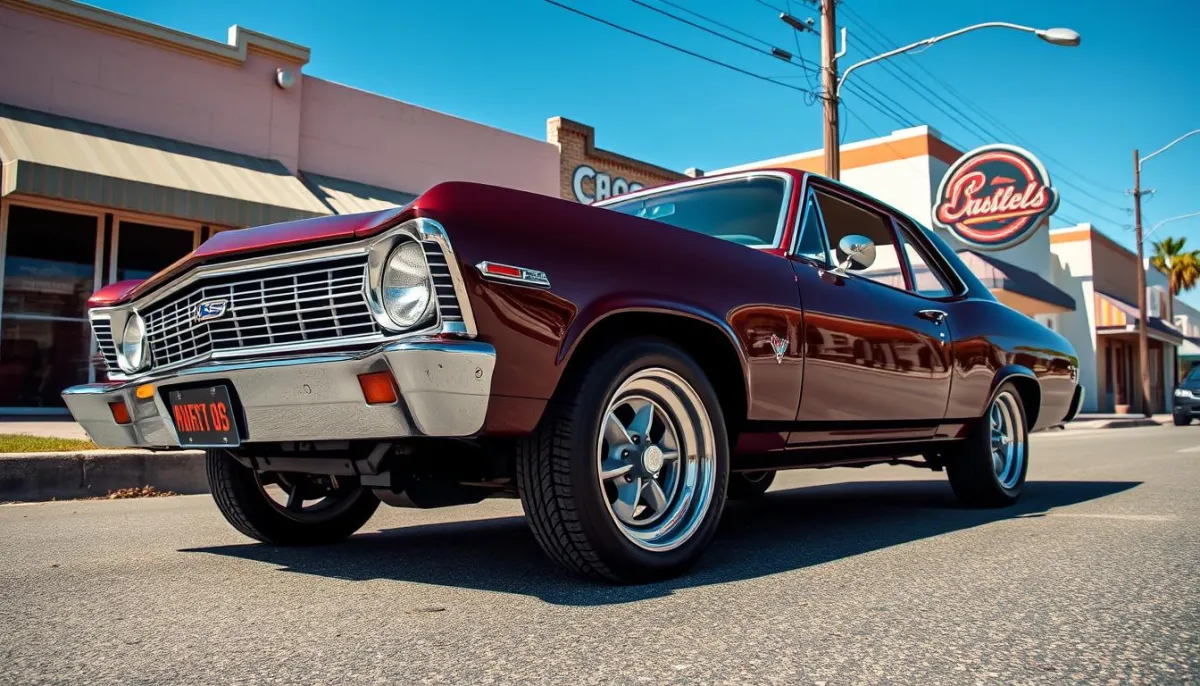 Photo: Chevy Nova, via www.lrfix.com
This wasn't some rare luxury service — it was how car repair worked for millions of Americans. Mobile mechanics were as common as milk deliveries, and getting your car fixed often meant never leaving your own neighborhood.
The Art of the Driveway Diagnosis
Back then, car problems were solved through experience, intuition, and the kind of mechanical knowledge that came from years of getting your hands dirty. Your local mechanic could listen to an engine and tell you exactly what was wrong. No computer diagnostics, no hourlong troubleshooting sessions at $150 just to figure out the problem.
These weren't fly-by-night operations either. Mobile mechanics built their reputations one driveway at a time. Word-of-mouth was everything, and a mechanic who did shoddy work wouldn't last long in a tight-knit community. They carried basic tools, common parts, and most importantly, the skills to fix almost anything on the spot.
The relationship was refreshingly straightforward. You described the problem, they looked under the hood, quoted you a price, and got to work. No service advisors, no upselling, no mysterious "shop fees" that somehow doubled your final bill.
When Cars Were Actually Fixable
Of course, this system worked because cars themselves were different. A 1970s automobile was essentially a mechanical device with some electrical components, not a computer on wheels. When something broke, you could see it, touch it, and often replace it with basic tools.
Most repairs involved parts you could actually understand — alternators, carburetors, spark plugs, fan belts. These components were designed to be serviceable, not replaced. A good mechanic could rebuild an engine in your garage over a weekend, something that's virtually impossible with today's sealed, computerized powertrains.
The parts themselves were affordable and available. You didn't need to special-order a $800 sensor from Germany or wait three weeks for a proprietary component that only one manufacturer makes. Most repairs cost what you might spend on groceries, not what you'd pay for a vacation.
The Corporate Takeover of Car Care
So what happened to this world of personal service and affordable repairs? The answer is a perfect storm of technological complexity, corporate consolidation, and regulatory changes that transformed the entire industry.
First, cars became exponentially more complicated. Today's vehicles contain dozens of computer systems, proprietary software, and components that require specialized diagnostic equipment costing tens of thousands of dollars. The average mobile mechanic simply can't afford to stay current with every manufacturer's evolving technology.
Second, liability concerns and insurance requirements made mobile repair increasingly risky. Working in driveways without proper lifts, ventilation, or safety equipment exposed mechanics to lawsuits that could destroy their small businesses overnight.
Meanwhile, dealerships and corporate chains invested heavily in the infrastructure and training needed to service modern vehicles. They could absorb the costs of constant equipment updates and manufacturer certifications that would bankrupt an independent operator.
The Real Cost of Convenience
Today's auto repair experience is undeniably more sophisticated. Computerized diagnostics can pinpoint problems with surgical precision. Parts are engineered to last longer and perform better. Safety standards ensure that repairs meet strict quality guidelines.
But we've traded something valuable in the process. The average American now spends over $1,200 annually on vehicle maintenance and repairs — more than many families once spent on their entire car. Labor rates at dealerships commonly exceed $200 per hour, turning minor problems into major financial decisions.
More than the money, though, we've lost the human element that made car repair feel manageable rather than intimidating. Today's service experience is designed around corporate efficiency, not personal relationships. You're more likely to interact with a service advisor reading from a script than a mechanic who actually understands your specific problem.
What We Lost in the Driveway
The disappearance of mobile mechanics represents something larger than just a change in how we fix our cars. It's emblematic of how many personal services became corporate transactions, how neighborhoods lost the informal networks that once made daily life more manageable.
That guy who fixed your car in your driveway wasn't just providing a service — he was part of a community ecosystem where people knew each other, trusted each other, and took care of each other's problems without involving corporate middlemen.
Sure, today's auto repair is more precise, more regulated, and arguably more reliable. But it's also more expensive, more impersonal, and completely inaccessible to the growing number of Americans who can't afford to maintain the vehicles they depend on.
The next time you're sitting in a sterile waiting room, watching your repair bill climb past your monthly rent, remember Eddie and his toolbox. Sometimes progress isn't just about getting better — it's about deciding what we're willing to give up along the way.