Six O'Clock Sharp: How America's Sacred Dinnertime Became Optional
Six O'Clock Sharp: How America's Sacred Dinnertime Became Optional
Every evening at 5:45 PM, Carol Henderson would start calling her kids in from the neighborhood. By six o'clock, her family of five was seated around their Formica table in suburban Cleveland, sharing pot roast and the day's stories. This wasn't exceptional parenting in 1962 — it was just Tuesday.
Back then, the dinner hour wasn't a suggestion. It was as fixed as the evening news and twice as important.
When Dinner Was an Event, Not an Option
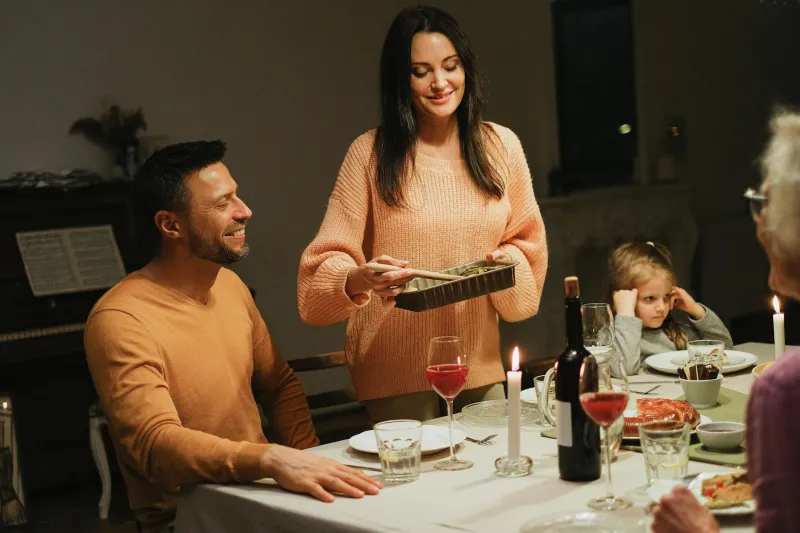
The mid-century American family dinner operated like clockwork. Dad arrived home from work by 5:30. Mom had been orchestrating the meal since mid-afternoon. Kids knew that when the streetlights came on, it was time to head inside. No negotiations, no alternatives, no grabbing something quick from the fridge.
Families didn't eat "whenever." They ate together, at the same time, eating the same food, using actual plates and utensils. The television stayed off. Phones — the kind attached to walls — rarely interrupted. Conversation filled the space between passing the mashed potatoes and asking for seconds.
This wasn't some Norman Rockwell fantasy. It was standard operating procedure for most American households. According to research from the era, nearly 80% of families ate dinner together at least five nights a week. The dining room table wasn't furniture — it was the family's daily headquarters.
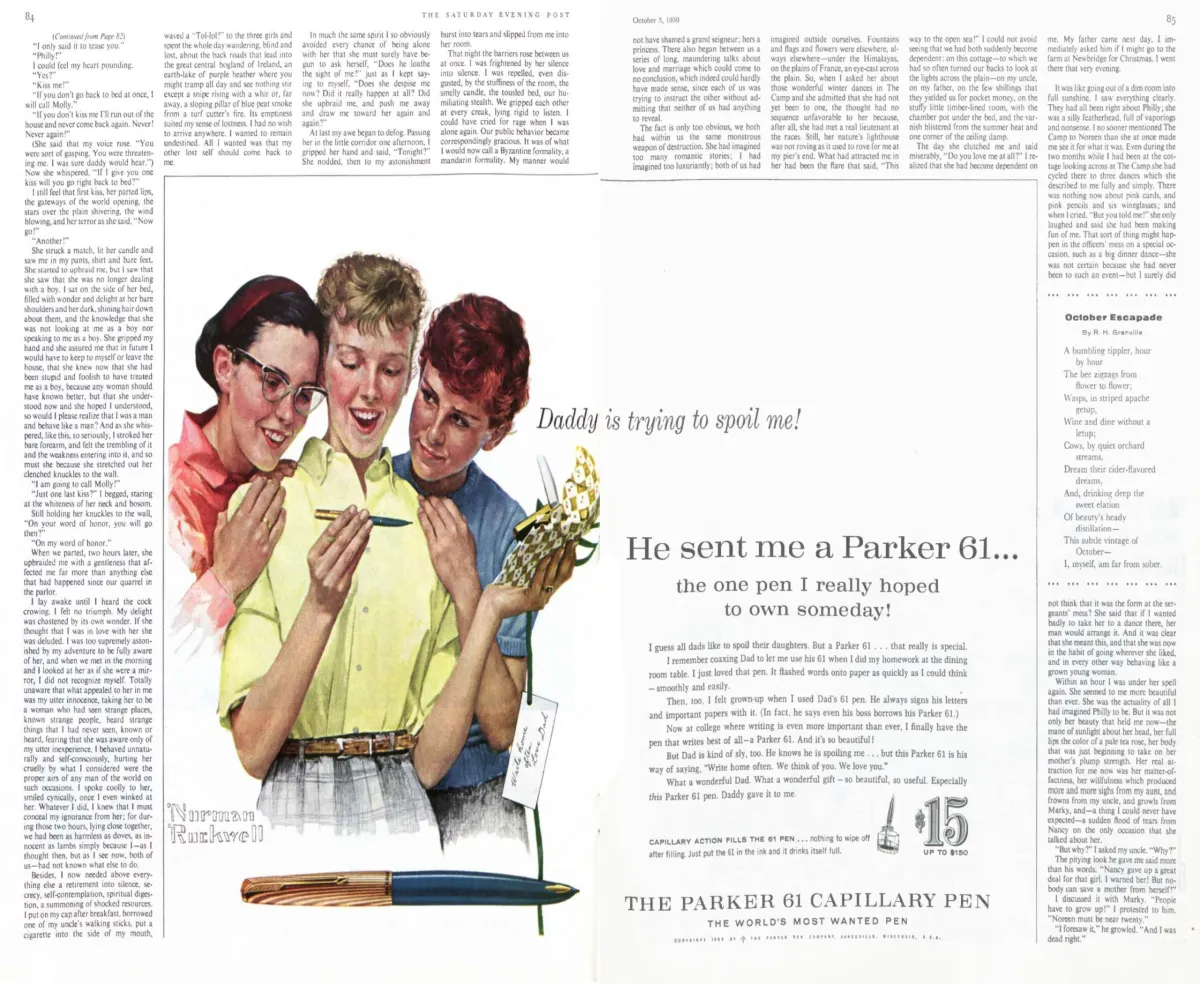 Photo: Norman Rockwell, via parkersheaffer.com
The Great Unraveling
Somewhere between the 1970s and today, that sacred hour disintegrated. Modern families don't gather around tables — they graze around kitchen islands, eat in front of screens, or grab different meals at different times based on who's got practice, who's working late, and what everyone actually wants to eat.
Today, only about 30% of American families manage to eat together regularly. The rest navigate a complicated dance of conflicting schedules, dietary preferences, and the simple reality that coordinating five people's lives around a single meal time feels nearly impossible.
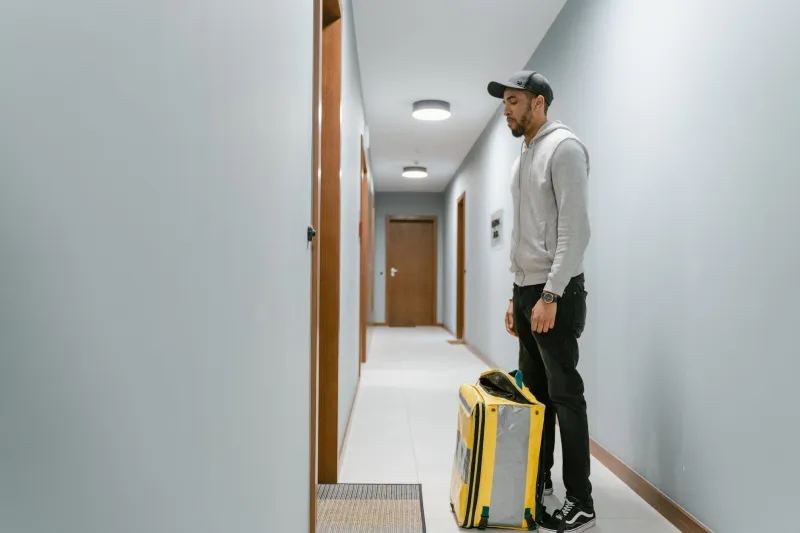
Consider the modern family's evening routine: Mom picks up takeout on her way home from the office. Dad heats up leftovers when he gets back from his business trip. The teenager microwaves something between guitar lessons and homework. The middle schooler eats a granola bar before soccer practice. The elementary kid gets fed whatever's fastest because bedtime is in an hour and homework isn't done.
What Changed Everything
The collapse of family dinnertime wasn't caused by one dramatic shift — it was death by a thousand small conveniences.
Microwaves arrived in the 1970s, making individual meals possible. Cable TV gave everyone different shows to watch at different times. Dual-income households meant less time for meal preparation and more complicated schedules. Youth sports exploded into year-round commitments with practices during traditional dinner hours.
Then came smartphones, streaming services, and food delivery apps. Suddenly, everyone could eat exactly what they wanted, exactly when they wanted it, while watching exactly what they wanted to watch. The idea of gathering around a table to eat the same casserole while talking about everyone's day started feeling almost quaint.
The Hidden Infrastructure of Connection
What we lost wasn't just a meal — it was an entire system for staying connected as a family.
Those daily dinner conversations were how parents learned about their kids' lives without interrogating them. It's where children practiced social skills, learned table manners, and absorbed family values through stories and casual conversation. The dinner table was where families processed their days together, shared concerns, celebrated small victories, and maintained their bonds.
Research consistently shows that families who eat together regularly have kids with better academic performance, lower rates of depression, and stronger communication skills. But beyond the statistics, something more fundamental was happening around those tables: families were practicing being families.
The New Reality
Today's parents often feel guilty about their fragmented family meals, but they're not failing — they're adapting to a completely different world. When both parents work full-time jobs, when kids have activities six days a week, when everyone has different dietary needs and preferences, the old model simply doesn't fit.
Modern families create connection in new ways: weekend breakfast traditions, car conversations during carpools, family movie nights with takeout. These moments can be meaningful, but they're often optional and easily skipped when life gets busy.
The difference is reliability. The old family dinner happened whether everyone felt like it or not, whether it was convenient or not, whether the conversation flowed easily or not. It was a daily practice that didn't depend on anyone's mood or energy level.
What We're Still Figuring Out
As we've gained flexibility in how we eat, we've lost something harder to define: the rhythm of shared ritual. The modern family has more choices, more convenience, and more individual freedom. But we're still learning how to stay connected without the gravitational pull of that daily gathering.
Some families are finding their way back to regular shared meals, even if they look different than they used to. Others are discovering that connection doesn't require a dining room table — it just requires intention.
The gap between then and now isn't just about food or schedules. It's about what happens when a culture stops treating togetherness as non-negotiable and starts treating it as one option among many. We gained the freedom to eat what we want, when we want it. We're still figuring out what we lost along the way.