The Magazine That Made America Stop Everything at 8 PM
Every Thursday, millions of Americans performed the same ritual. They'd flip through a small, digest-sized magazine, pen in hand, circling shows for the upcoming week. This wasn't casual browsing — this was strategic planning for seven days of family life.
TV Guide, at its peak in the 1970s, sold over 20 million copies weekly. To put that in perspective, that's more than People, Time, and Newsweek combined today. But calling it a "magazine" misses the point entirely. TV Guide was America's shared calendar, social coordinator, and cultural referee all rolled into one.
When Television Had Office Hours
Imagine explaining to a teenager today that their great-grandparents organized their entire evening around what a magazine told them to watch. That if they missed "The Ed Sullivan Show" at 8 PM on Sunday, they missed it forever. No rewind, no on-demand, no streaming later.
This wasn't seen as a limitation — it was liberation from choice paralysis. Instead of scrolling through 15,000 titles wondering what to watch, families knew exactly what was on and when. The Waltons aired Thursday at 8. Period. You planned accordingly.
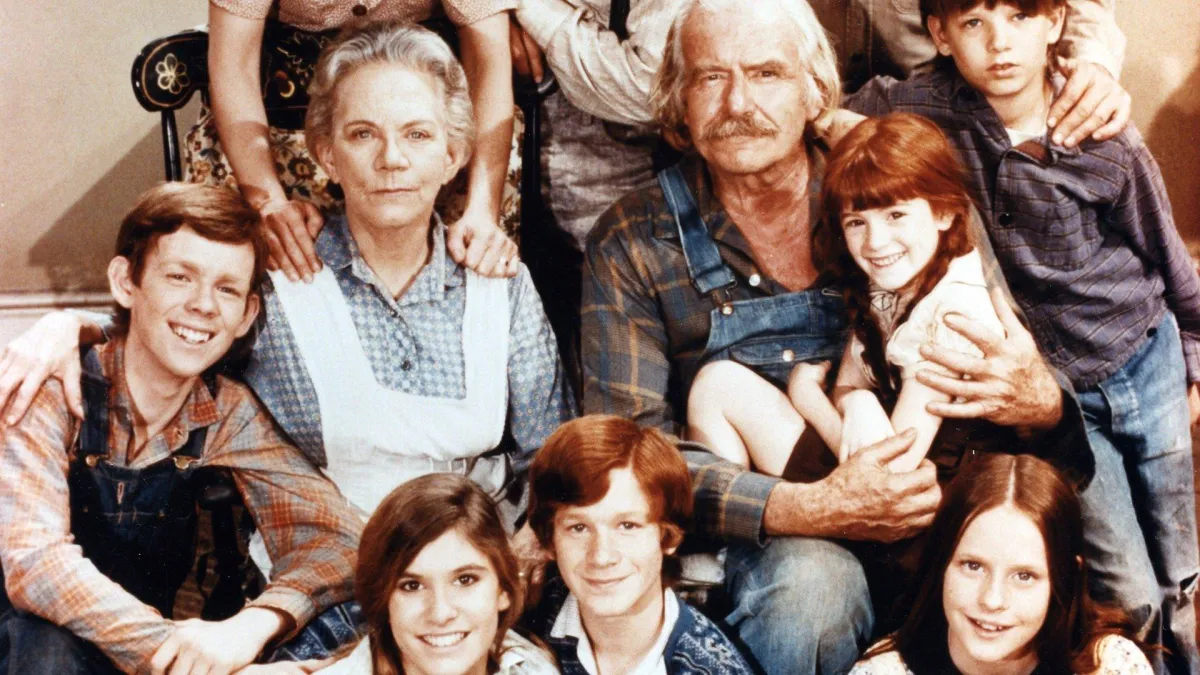 Photo: The Waltons, via static-us-east-2-fastly-a.www.philo.com
TV Guide made this system work by turning television scheduling into an art form. Their editors didn't just list shows; they created anticipation. A small star next to a program meant "don't miss this." A brief description could make or break a show's ratings. When TV Guide recommended something, 50 million people listened.
The Death of Appointment America
By 1978, TV Guide was the most profitable magazine in American history. It employed more writers than most newspapers and had correspondents in every major city. The magazine's influence was so enormous that networks would reschedule shows based on TV Guide's editorial calendar.
Then cable happened. Suddenly, instead of three networks, families had 50 channels. TV Guide grew from a slim pamphlet to a thick catalog. The simple grid that once fit on a single page now required an entire section. The magic was gone.
But the real killer wasn't cable — it was choice itself. When you could record shows, watch them later, or catch reruns, the appointment disappeared. The shared cultural moment dissolved. The family meeting around the TV Guide on Thursday night became obsolete.
What We Lost When the Schedule Stopped Mattering
Here's what's genuinely strange: we think of on-demand entertainment as pure progress. Who wants to be told when to watch something? But appointment television created something that streaming destroyed — genuine shared experiences.
When "Roots" aired in 1977, 130 million Americans watched the finale. Not over a weekend, not when they felt like it, but at exactly 9 PM Eastern on January 30th. The next day, the entire country had the same thing to talk about. Water cooler conversations weren't about "what are you watching?" but "did you see what happened last night?"
TV Guide facilitated this by making television feel important. Their cover stories treated prime-time shows like national events. When they put a soap opera actor on the cover, it meant something. When they declared a new show "must-see," families rearranged their schedules.
The Algorithm That Was Actually Human
Before Netflix algorithms learned your viewing habits, TV Guide editors curated America's entertainment diet. They understood that Tuesday night needed something different than Saturday morning. They knew that families wanted lighter fare after the news and something more substantial on weekends.
These weren't data scientists; they were cultural anthropologists with typewriters. They watched how Americans lived and created a television schedule that matched the rhythm of ordinary life. Dinner ended at 7. The kids did homework until 8. Adults wanted to unwind with something that didn't require too much thinking.
Modern streaming platforms offer infinite choice but zero curation. You can watch anything, anytime, anywhere — and somehow, nothing feels special anymore.
The Last Magazine America Actually Needed
TV Guide died slowly, then suddenly. Circulation dropped from 20 million in 1980 to 3 million by 2005. The magazine that once dictated American leisure time became a nostalgic curiosity.
But here's the thing we didn't realize we were losing: the comfort of limitations. When your entertainment options were finite and scheduled, you appreciated what you got. When "The Wizard of Oz" aired once a year, it was an event. When a special episode of your favorite show was announced weeks in advance, you cleared your calendar.
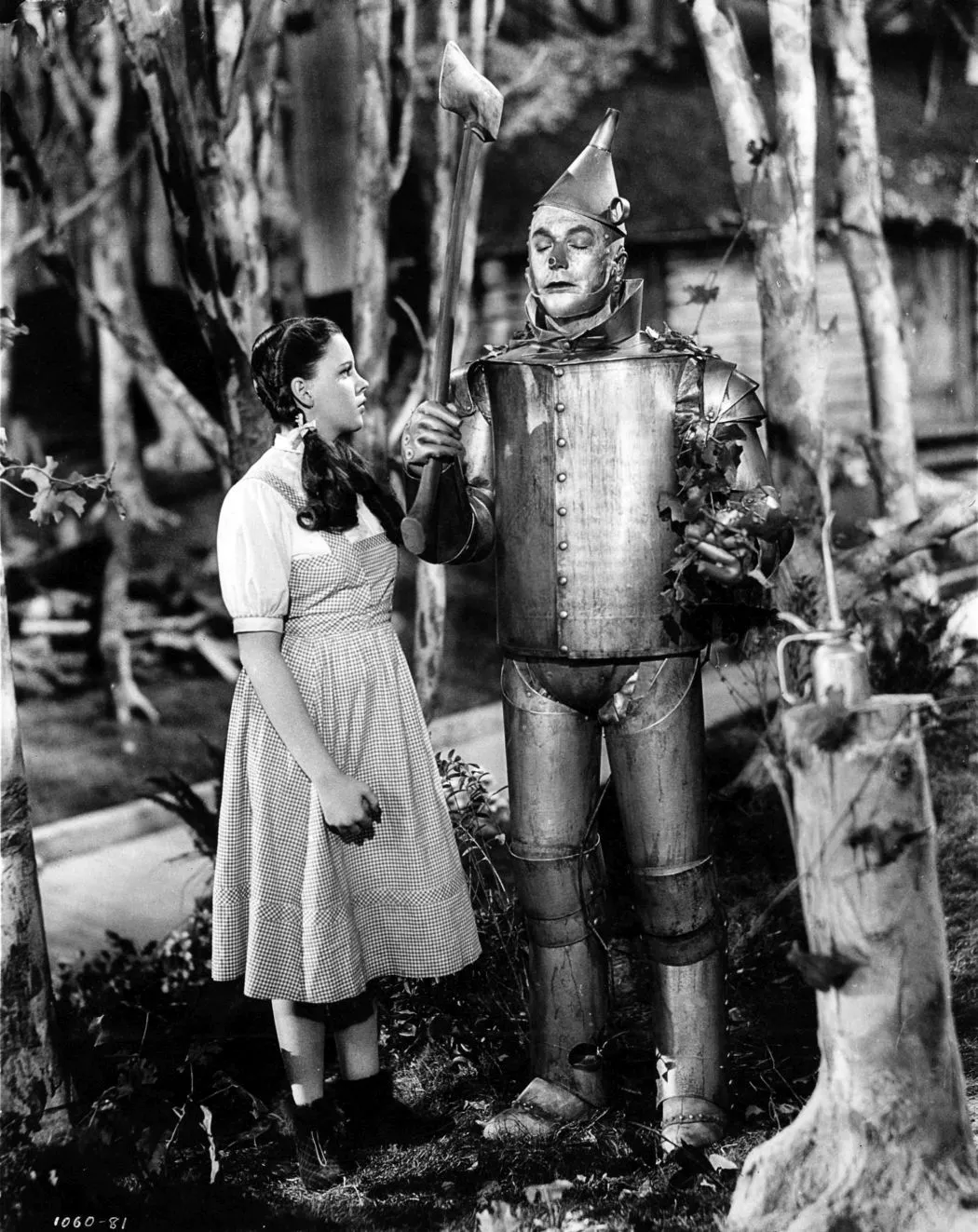 Photo: The Wizard of Oz, via monovisions.com
Today, we have access to every movie ever made and every TV show ever produced. We can pause, rewind, fast-forward, and binge-watch until our eyes hurt. We've gained infinite convenience and lost something harder to define — the anticipation that made entertainment feel like a gift rather than a utility.
TV Guide wasn't just telling us what was on television. It was teaching us how to want things, how to wait for them, and how to share them with 200 million other people who were all doing exactly the same thing at exactly the same time.