In 1975, a steelworker in Pittsburgh could finish his Friday shift, grab his two kids, and head to Three Rivers Stadium for a Pirates game. Three bleacher tickets cost $4.50 total. Add in parking for a buck, hot dogs for 75 cents each, and sodas for 50 cents, and the whole afternoon ran about $12—roughly what the same worker earned in an hour and a half.
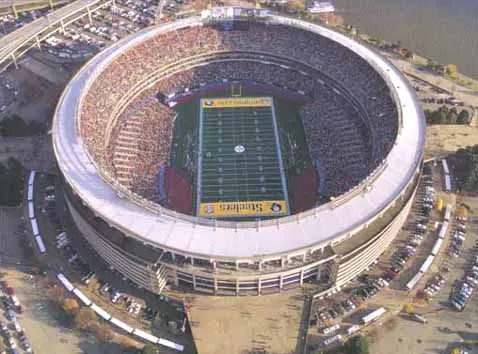 Photo: Three Rivers Stadium, via clevelandskyline.com
Today, that same outing would cost more than $200 and require advance planning that rivals organizing a wedding.
When Stadiums Belonged to the Neighborhood
Mid-century ballparks were built for volume, not luxury. The majority of seats were general admission bleachers—metal benches with no cushions, no cup holders, and certainly no climate control. Fans brought their own scorecards and kept their own stats. The concession stands sold basics: hot dogs, peanuts, Cracker Jack, and beer in paper cups.
This wasn't considered a subpar experience. It was baseball, pure and simple. The game was the entertainment, not the amenities around it. Families would arrive an hour early to claim good spots in the bleachers, spread out blankets, and settle in for three hours of affordable entertainment.
Stadiums were neighborhood institutions. The Detroit Tigers drew heavily from auto workers. The Chicago Cubs filled Wrigley with families from the North Side. These weren't tourist destinations or corporate entertainment venues—they were local gathering places where working people could afford to be regulars.
The Numbers Tell the Real Story
In 1960, the average Major League Baseball ticket cost $1.47. Adjusted for inflation, that's about $12 in today's money. The actual average ticket price in 2023 was $35—nearly three times higher than inflation alone would predict.
But ticket prices only tell part of the story. In 1970, parking at most stadiums was free or cost 25 cents. Today's parking fees average $20-30 in major cities, with some premium spots reaching $75. A hot dog that cost 35 cents in 1970 now sells for $6-8, representing a price increase far beyond general inflation.
The real shift becomes clear when you look at what economists call "time price"—how many hours of work it takes to afford something. In 1975, a minimum-wage worker could afford a bleacher ticket with about 45 minutes of work. Today, that same worker needs nearly four hours of earnings for the cheapest seat.
The Corporate Takeover
The transformation didn't happen overnight. It began in the 1980s when teams realized they could generate more revenue from fewer, wealthier customers than from packed stadiums of working-class fans. Luxury boxes appeared first, followed by club seats, premium concessions, and "experiences" that had little to do with baseball.
Stadium naming rights, once unthinkable, became standard. Fenway Park and Wrigley Field kept their historic names, but most new stadiums became corporate billboards: Citi Field, Progressive Field, Guaranteed Rate Field. The venues themselves began reflecting their corporate sponsors' values—premium, exclusive, expensive.
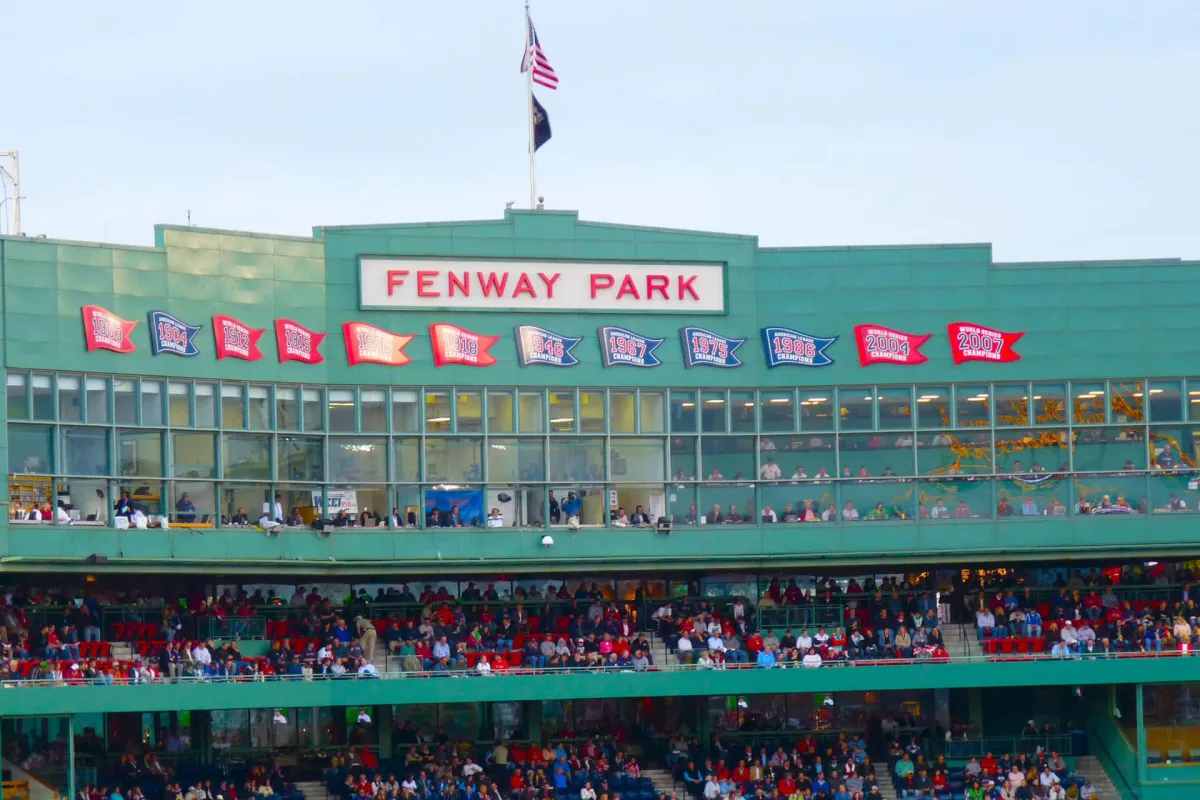 Photo: Fenway Park, via wallpapers.com
Teams started treating games like theater performances rather than sporting events. Elaborate pre-game shows, between-inning entertainment, and constant music replaced the simple rhythm of baseball. The experience became more produced, more polished, and much more expensive.
What Working Families Actually Lost
The old model didn't just provide cheap entertainment—it created shared cultural experiences across class lines. A factory supervisor and a line worker might sit in the same bleacher section, arguing about the manager's strategy and bonding over their team's struggles. Kids from different neighborhoods would end up sitting together, united by their love of the game.
Season ticket holders weren't wealthy—they were dedicated fans who saved up to buy a partial season package. The guy who attended fifty games a year might be a bus driver or a teacher, not a corporate executive. Fandom was measured by loyalty and knowledge, not disposable income.
This accessibility also meant that baseball truly was America's pastime. Multiple generations would attend games together because everyone could afford it. Grandparents would take grandkids to their first games, starting traditions that lasted decades. The sport was woven into family life in ways that today's premium pricing model makes nearly impossible.
The Premium Experience Paradox
Modern stadiums offer undeniably better amenities. The food is more diverse and higher quality. The seats are more comfortable. The sound systems are crystal clear. Many parks feature interactive areas, children's zones, and museum-quality displays.
But these improvements came with a philosophical shift. Baseball became something you "experienced" rather than simply watched. The focus moved from the game itself to the total entertainment package. Ironically, many of today's premium features—gourmet restaurants, shopping areas, business networking spaces—actively distract from the baseball being played.
The old bleacher experience forced you to pay attention to the game. There wasn't much else to do. You learned to keep score, to understand strategy, to appreciate the subtle aspects of play that casual observers miss. The "inferior" experience actually created more knowledgeable, engaged fans.
The Ripple Effect
Baseball's transformation reflects broader changes in American leisure culture. What used to be accessible, community-based entertainment has become premium, individualized consumption. The same pattern appears in concert venues, restaurants, and even public spaces—everything gets upgraded, improved, and priced beyond the reach of ordinary families.
This shift has profound implications for how Americans experience shared culture. When entertainment becomes a luxury good, it stops serving its traditional role of bringing different social classes together. The ballpark that once hosted steelworkers and bank presidents in the same bleacher section now segregates them by price point.
The View from the Cheap Seats
Today's remaining affordable seats—usually in the highest reaches of the upper deck—offer a fundamentally different experience from the old bleachers. You're farther from the action, surrounded by fewer people (stadiums rarely sell out), and paying proportionally more of your income for the privilege.
The working-class fans who once filled stadiums haven't disappeared—they've been priced out. They watch games on television, follow their teams online, and occasionally splurge on a single game as a special occasion rather than a regular pastime.
Baseball lost something essential when it transformed from a neighborhood institution into a premium entertainment product. The game is still the same, but the culture around it has fundamentally changed. America's pastime became America's luxury, and that shift says as much about our society as any economic statistic ever could.