Walk onto any American playground today and you'll find a carefully orchestrated landscape of safety. Rubberized surfaces cushion every fall. Equipment heights max out at manageable levels. Sharp edges have been rounded, pinch points eliminated, and warning labels applied to anything that might pose the slightest risk.
It's a far cry from the playgrounds that shaped generations of American kids from the 1950s through the 1980s—playgrounds that operated on an entirely different philosophy about childhood, risk, and what it meant to grow up.
The Iron Giants of Childhood
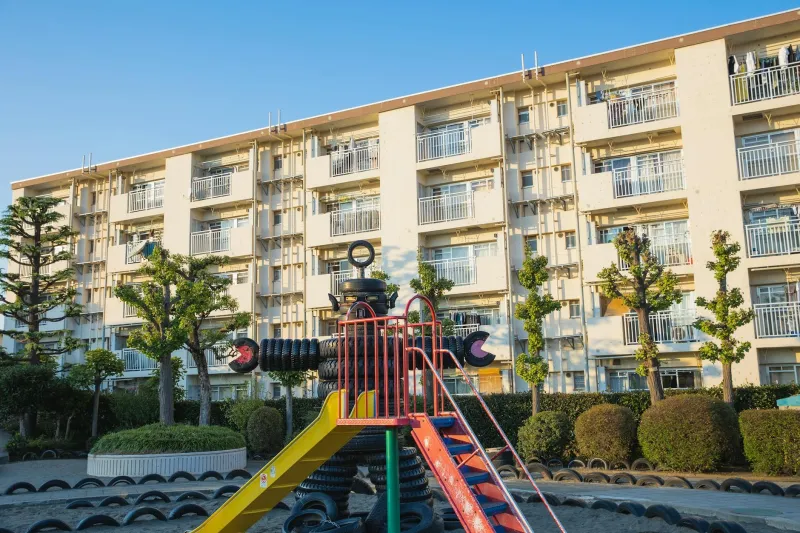
The playgrounds of mid-century America were monuments to organized chaos. Towering jungle gyms made of unforgiving steel pipes stretched 12 feet into the air, their geometric frames casting long shadows over concrete surfaces that showed no mercy to anyone who missed a rung. Metal slides reached heights that would trigger safety inspections today, their surfaces heated by summer sun to temperatures that could literally burn exposed skin.
Merry-go-rounds spun with enough centrifugal force to launch a distracted child clear across the playground. Seesaws had no shock absorption—just a concrete-jarring thud when your partner jumped off unexpectedly. Swings hung from chains that could pinch fingers, and the entire apparatus was designed with one underlying assumption: kids would figure out how to use it safely, or they'd learn from the consequences.
"We had this massive metal dome at our elementary school," recalls Susan Martinez, now 52, who grew up in Phoenix during the 1970s. "It was probably 15 feet tall, all interconnected bars, sitting right on asphalt. Kids would climb to the very top and hang upside down. The principal never said a word about it being dangerous—that was just what kids did."
The Philosophy of Productive Risk
These weren't accidents of poor design. The playgrounds of that era reflected a fundamentally different approach to child development, one that saw controlled risk as essential to growing up. Child development experts of the time argued that children needed to test their physical limits, experience minor failures, and develop what researchers called "risk competence"—the ability to accurately assess and navigate potentially dangerous situations.
The equipment itself taught lessons that couldn't be learned any other way. The metal slide that burned your legs in July taught you to check temperature before sitting. The merry-go-round that could fling you into the dirt taught you to hold on and gauge momentum. The jungle gym with no safety net taught you to climb within your abilities.
"Every piece of equipment was a physics lesson," explains Dr. Peter Gray, a developmental psychologist who studies the history of childhood play. "Kids learned about gravity, momentum, friction, and their own physical capabilities through direct experience. They developed what we call 'physical literacy'—an intuitive understanding of how their bodies moved through space."
The Great Safety Revolution
The transformation began in the 1980s, accelerated by a combination of factors that would reshape American childhood. High-profile lawsuits against school districts and park departments created a legal environment where any potential for injury became a liability. The Consumer Product Safety Commission began issuing increasingly detailed guidelines for playground equipment. Insurance companies started demanding compliance with new safety standards that prioritized injury prevention above all else.
By the 1990s, the old playgrounds were disappearing fast. Metal equipment was replaced with plastic alternatives designed to eliminate sharp edges. Concrete gave way to rubber matting and engineered wood fiber. Heights were reduced, spaces between rails standardized to prevent head entrapment, and every surface tested for impact absorption.
The new playgrounds were undeniably safer—and that was exactly the problem, according to critics who worried about what was being lost in the process.
What We Gained and Lost in Translation
Today's playgrounds have virtually eliminated serious injuries. The rate of emergency room visits from playground accidents has dropped dramatically, and the types of injuries that do occur are typically minor scrapes rather than broken bones or head trauma.
But research suggests this safety-first approach may have created unexpected consequences. Studies show that children who grow up with limited exposure to physical risk often develop heightened anxiety around physical challenges. They're more likely to overestimate dangers and less likely to develop confidence in their physical abilities.
"When you remove all the risk from childhood, you don't eliminate risk—you just defer it," argues Lenore Skenazy, founder of the Free-Range Kids movement. "These kids grow up to be adults who never learned to assess risk for themselves. They never developed that internal calibration system that tells you when something is genuinely dangerous versus just unfamiliar."
Modern playground designers have begun to recognize this tension, creating what they call "risky play" opportunities—controlled challenges that allow children to experience manageable risk within safer parameters. But it's a careful balance that previous generations never had to consider.
The Broader Cultural Shift
The evolution of American playgrounds reflects a much larger transformation in how we think about childhood, risk, and parental responsibility. The same decades that saw the rise of safety-engineered playgrounds also witnessed the emergence of helicopter parenting, structured activities replacing free play, and a general cultural shift toward risk aversion.
The old playgrounds existed in an era when children were expected to navigate risk independently, when scraped knees were considered normal parts of growing up, and when parents trusted their kids to learn from minor failures. Today's playgrounds reflect a culture where protecting children from any potential harm has become a primary parenting goal.
The Now Gap
Stand at a modern playground and watch children play, and you'll see the gap clearly. Today's kids are safer, but they're also more supervised, more cautious, and less likely to push their physical limits. They've gained protection but lost a certain kind of freedom—the freedom to fail safely, to test boundaries, and to develop confidence through overcoming manageable challenges.
The old playgrounds were dangerous by today's standards, but they were dangerous in ways that taught children to be less dangerous to themselves. They created a generation that learned to assess risk intuitively, that developed physical confidence through trial and error, and that understood that some of life's most important lessons come with a few bruises along the way.
Whether this trade-off was worth it remains an open question—one that each new generation of parents continues to answer, one playground at a time.