Your Brain Used to Work a Lot Harder Than This
Your Brain Used to Work a Lot Harder Than This
Try this right now: without looking at your phone, recite five phone numbers from memory. Not your own. Five other people's numbers — friends, family, your doctor, whoever.
If you're under 40, there's a decent chance you can't do it. And here's the thing: that's not a personal failing. It's the logical result of a slow, steady handoff — one where we've gradually outsourced huge chunks of everyday cognitive work to the devices in our pockets.
But it's worth asking what we traded away in the process.
The Mental Workout of Ordinary Life
Go back to 1995. You're making plans to meet a friend across town. No GPS, no Google Maps, no "I'll just drop a pin." You either called ahead and got directions over the phone, wrote them down on a scrap of paper, or — more often — you just knew how to get there because you'd built a mental map of your city over years of navigating it yourself.
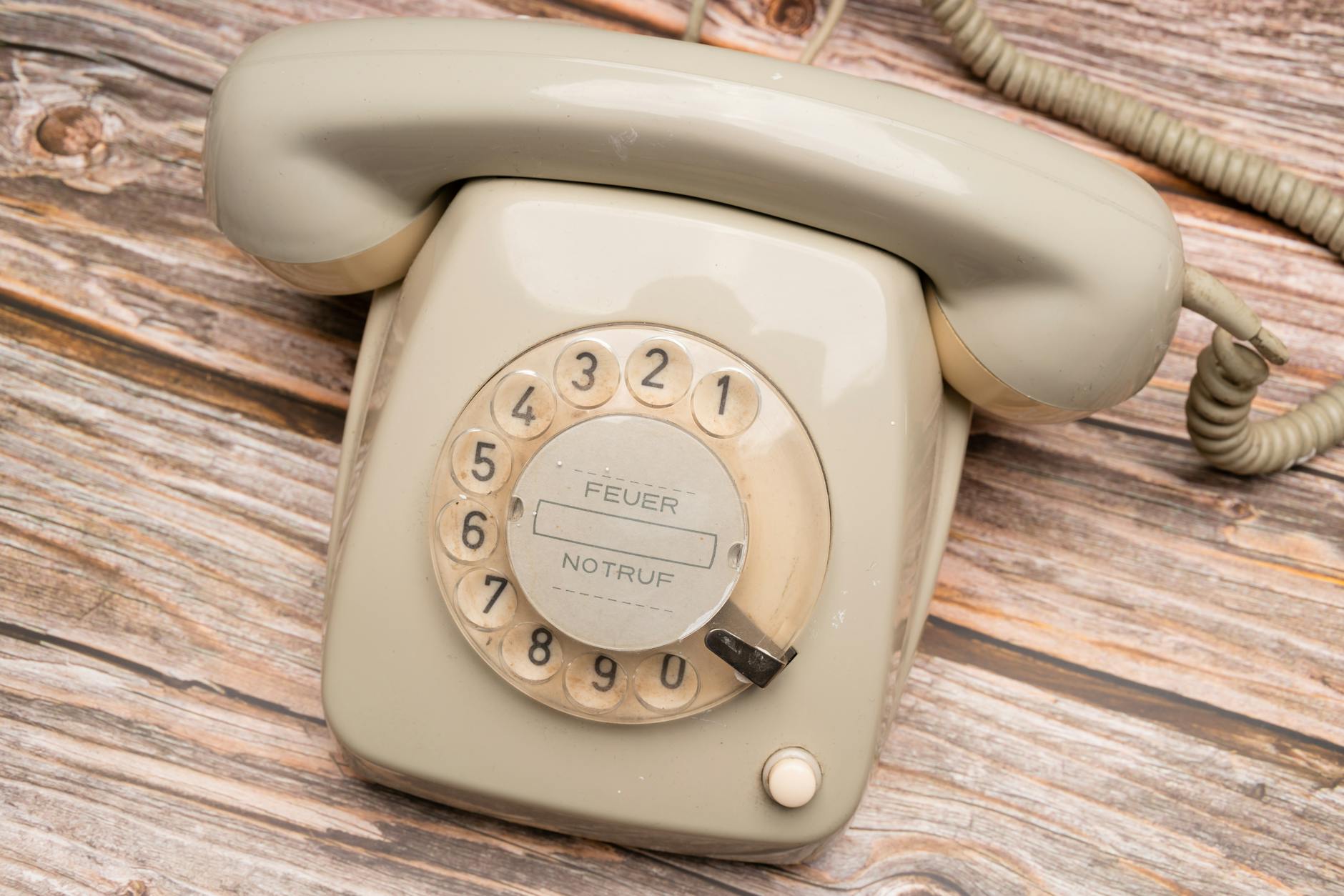
You also knew your friend's number by heart. And your mom's. And probably your dentist's, your boss's, and the pizza place around the corner.
At the grocery store, you kept a rough running total in your head while you shopped because you only had $40 in cash and the mental math mattered. You remembered birthdays because there was no app to remind you. You recalled the name of that actor — the one from that movie — not because you Googled it, but because you sat with the question for a while until your brain dug it up.
None of this felt like a workout. It just felt like life. But cognitively speaking, that's exactly what it was.
When Smartphones Became Our External Hard Drive
The shift didn't happen overnight. It crept in gradually — first with the address book that synced to your computer, then with MapQuest printouts, then with GPS navigation, and finally with the smartphone that arrived and absorbed all of it at once.
By the early 2010s, most Americans were carrying a device that could store every contact they'd ever had, navigate them anywhere on Earth, do instant arithmetic, and answer almost any factual question in seconds. The brain's job description changed dramatically — and not necessarily by design. It just happened.
Researchers have a name for what followed. The "Google Effect," identified by cognitive psychologist Betsy Sparrow and her colleagues at Columbia University back in 2011, describes a documented shift in how we encode information. When people know they can look something up later, they're measurably less likely to actually remember it. The brain, apparently, is pretty good at identifying when storing something isn't worth the effort.
In other words, we didn't just get lazy. We adapted.
What We Might Actually Be Losing
Here's where it gets more complicated. Because cognitive offloading — the technical term for outsourcing mental tasks to tools — isn't inherently bad. Writing things down is cognitive offloading. So is a grocery list. So is literally every calendar ever made. Humans have always used external aids to extend what our minds can manage.
But there's a difference between supplementing memory and replacing the exercise of building it.
Neuroscientists who study spatial navigation have raised particular concerns about GPS dependency. The hippocampus — the brain region responsible for forming memories and navigating physical space — appears to get less activation when we follow turn-by-turn directions compared to when we navigate independently. London taxi drivers, famously studied for decades, show measurably enlarged hippocampal regions compared to the general population. The implication: using your brain's navigation system actually develops it.
When we stop using that system, some researchers worry, we may be leaving a mental muscle underexercised. Not atrophied exactly — but less sharp than it could be.
There's also something worth noting about the experience of not knowing something. Before smartphones, sitting with a half-remembered fact — a name just out of reach, a lyric you almost had — was a normal part of cognitive life. That process of retrieval, even when it failed, was itself a form of mental engagement. Today, most of us reach for the phone before the brain even gets a chance to try.
The Trade-Off Nobody Signed Up For
None of this is an argument for throwing your phone into a lake and memorizing the phonebook. The honest picture is more nuanced than that.
Smartphones have freed up mental bandwidth that people now use for other things — creative work, complex problem-solving, learning new skills. The average American today processes more information in a day than someone in 1965 would encounter in a week. The cognitive demands haven't disappeared; they've shifted.
But the shift has happened faster than we've been able to study it, and faster than most of us have consciously noticed. We didn't choose to stop remembering phone numbers. We just... stopped. And with that went a small but real piece of the mental infrastructure that used to quietly keep us sharp.
The now gap here isn't just about memory. It's about the invisible effort that everyday life once required — and how much of that effort we've handed over without ever really deciding to.
Sometimes the most interesting question isn't what technology can do for us. It's what we used to do for ourselves — and whether we even remember how.