Home

Category

Health

11 articles

When Friday Afternoon Meant Racing to the Bank Before You Ran Out of Money

When Friday Afternoon Meant Racing to the Bank Before You Ran Out of Money

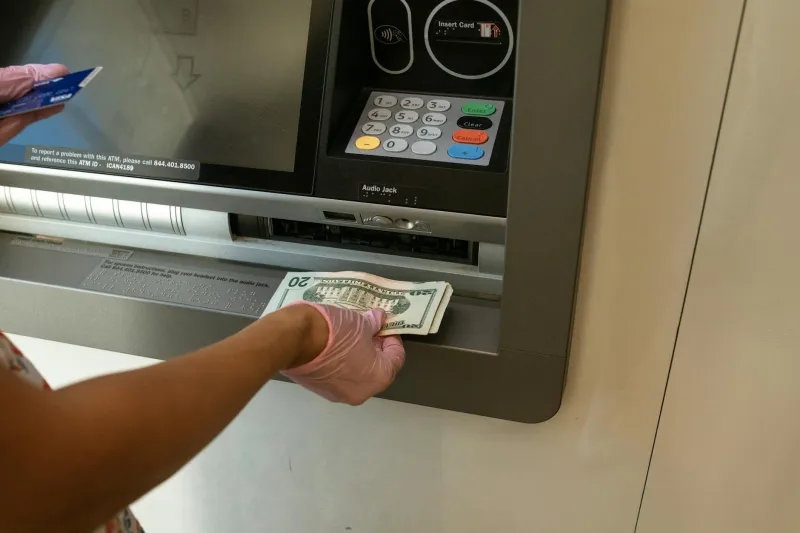
Before ATMs and digital payments, Americans lived paycheck to paycheck in the most literal sense — you cashed your check on Friday and hoped you'd calculated correctly for the weekend. This careful relationship with money created a financial mindfulness we've almost entirely lost.

The 50-Pound Blocks That Powered America: How Ice Delivery Built and Lost a Nation

The 50-Pound Blocks That Powered America: How Ice Delivery Built and Lost a Nation

Before every American home had a humming white box in the kitchen, staying fed meant depending on an army of ice men who delivered 50-pound blocks of frozen water cut from northern lakes. The ice industry employed hundreds of thousands, shaped city infrastructure, and governed daily life—until a single appliance made it all disappear almost overnight.

When Seeing a Doctor Meant Losing Half Your Day: The Era of One-Room Medicine

When Seeing a Doctor Meant Losing Half Your Day: The Era of One-Room Medicine

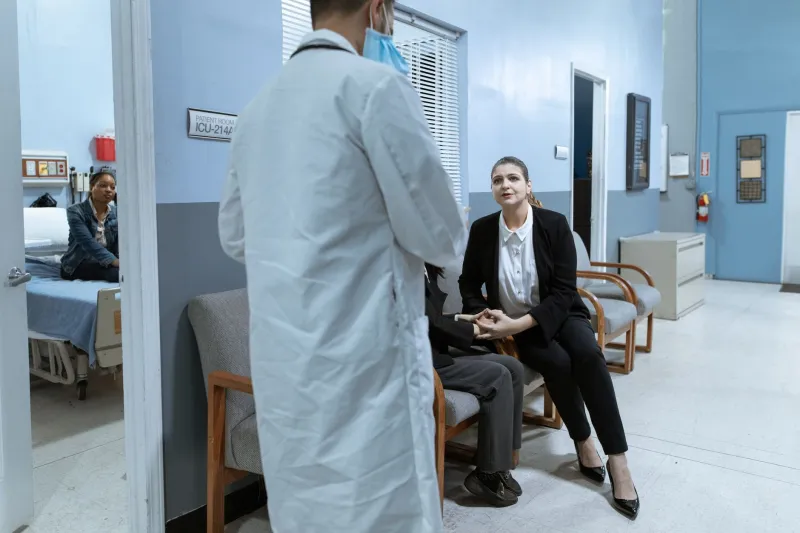
Before urgent care clinics and telemedicine transformed healthcare access, getting medical attention meant surrendering an entire afternoon to a single doctor's cramped waiting room. The contrast between then and now reveals how dramatically American healthcare delivery has evolved—and what we gained and lost in the process.

When Your Pharmacist Was Your Family's First Doctor

When Your Pharmacist Was Your Family's First Doctor

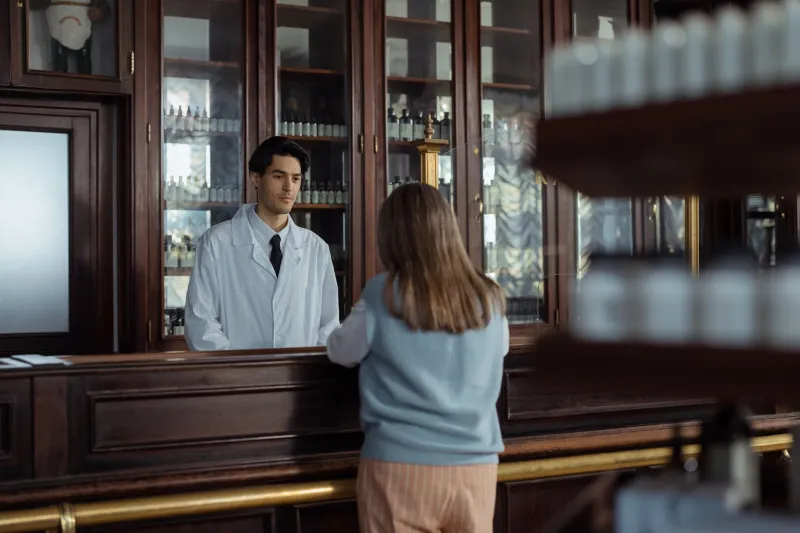
Before CVS and Walgreens turned prescription filling into a drive-through transaction, the corner pharmacist knew your grandmother's arthritis, your father's blood pressure, and which cough syrup actually worked for your kids. This personal healthcare relationship shaped how Americans managed their health for generations.

There Was No 911. For Most of American History, Getting Help Was Up to You.

There Was No 911. For Most of American History, Getting Help Was Up to You.

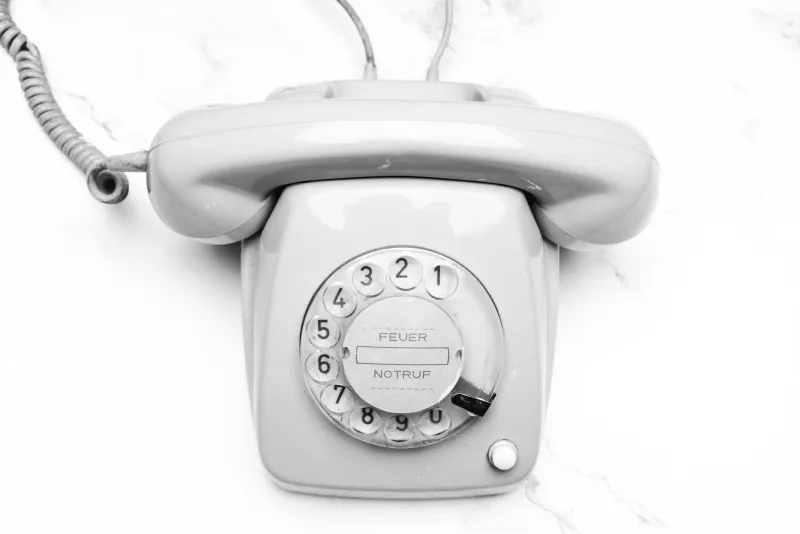
Most Americans assume 911 has always been there — a permanent fixture of the safety net, like fire hydrants or traffic lights. The reality is far more recent and far more alarming. For the majority of the twentieth century, calling for emergency help in the United States meant knowing the right local number, hoping someone picked up, and accepting that the outcome might depend entirely on where you happened to live.

A Doctor's Visit in 1965 Cost Less Than Your Lunch Today. Here's the Catch.

A Doctor's Visit in 1965 Cost Less Than Your Lunch Today. Here's the Catch.

In 1965, a trip to the doctor might have set you back three or four dollars out of pocket. Today, the same visit could cost ten times that before insurance even enters the picture. But the story of American healthcare costs isn't just about money — it's about what that money actually buys you now versus then.