How far we've come — and how fast.

The Now Gap

How far we've come — and how fast.

Latest Articles

Return to Sender: The Brilliant Packaging System America Abandoned for Convenience
Culture

Return to Sender: The Brilliant Packaging System America Abandoned for Convenience

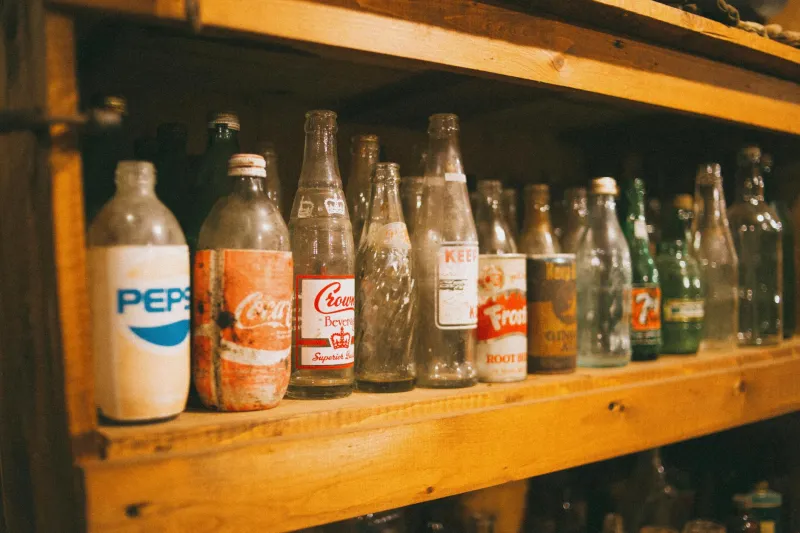
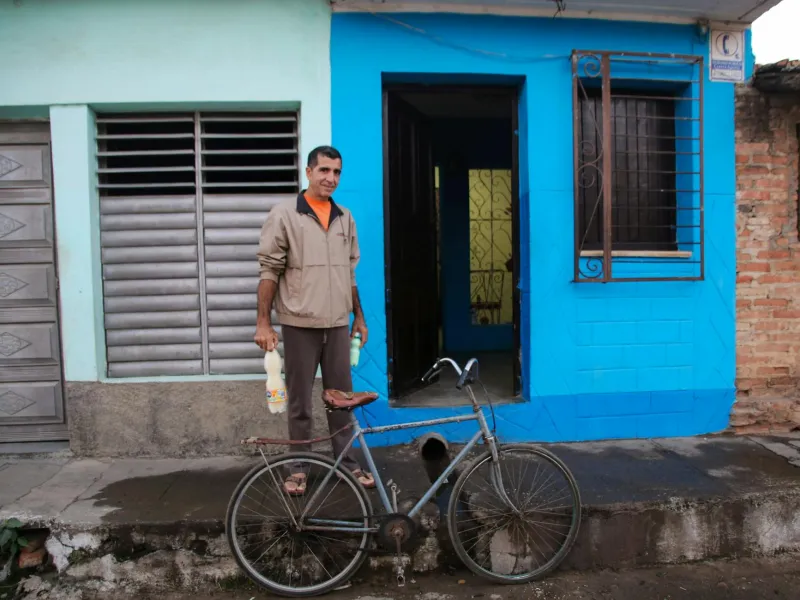
Glass milk bottles and soda containers once created a perfect circular economy that communities maintained without thinking. Then we decided convenience was worth throwing it all away.

The Big Book That Made America Shop: When Sears Ruled Before the Internet Ever Existed
Culture

The Big Book That Made America Shop: When Sears Ruled Before the Internet Ever Existed

Long before Amazon Prime, millions of Americans eagerly awaited a thick catalog that arrived twice yearly, transforming rural shopping from a luxury into a revolution. The Sears catalog didn't just sell products—it sold dreams, delivered to farmhouse doorsteps across a nation still finding its way to the modern world.

Red Sky at Night, Sailor's Delight: When America's Weather Wisdom Was Just Old Wives' Tales
Culture

Red Sky at Night, Sailor's Delight: When America's Weather Wisdom Was Just Old Wives' Tales

Before Doppler radar and satellite imagery, Americans planned their lives around folk sayings and farmers' almanacs. The transformation from weather folklore to pinpoint accuracy reveals just how much we've gained — and lost — in our relationship with the sky above.

Walk In, Start Monday: When Getting Hired Was as Simple as Showing Up
Culture

Walk In, Start Monday: When Getting Hired Was as Simple as Showing Up

For most of American history, landing a job meant walking through the front door, shaking hands with the boss, and starting work within days. Today's months-long hiring gauntlets would have seemed absurd to workers who built their careers on nothing more than a firm handshake and a good word from a neighbor.

When Everyone on Your Block Could Fix a Car: The Death of the Backyard Mechanic
Culture

When Everyone on Your Block Could Fix a Car: The Death of the Backyard Mechanic

Fifty years ago, car trouble meant asking your neighbor Bob for help, not scheduling an appointment at the dealership. The shift from shade-tree mechanics to computer diagnostics didn't just change how we fix cars — it changed what it means to be capable.

When Seeing a Doctor Meant Losing Half Your Day: The Era of One-Room Medicine
Health

When Seeing a Doctor Meant Losing Half Your Day: The Era of One-Room Medicine

Before urgent care clinics and telemedicine transformed healthcare access, getting medical attention meant surrendering an entire afternoon to a single doctor's cramped waiting room. The contrast between then and now reveals how dramatically American healthcare delivery has evolved—and what we gained and lost in the process.

When Calling Cross-Country Required an Appointment: The Lost Art of the Long-Distance Phone Call
Culture

When Calling Cross-Country Required an Appointment: The Lost Art of the Long-Distance Phone Call

Before direct dialing transformed communication, making a long-distance call was a complex ritual involving multiple operators and careful planning. Today's instant global connectivity has made us forget when every distant conversation was a carefully orchestrated event.

When Your Pharmacist Was Your Family's First Doctor
Health

When Your Pharmacist Was Your Family's First Doctor

Before CVS and Walgreens turned prescription filling into a drive-through transaction, the corner pharmacist knew your grandmother's arthritis, your father's blood pressure, and which cough syrup actually worked for your kids. This personal healthcare relationship shaped how Americans managed their health for generations.

Paper Maps and Wrong Turns: When America's Greatest Adventures Happened by Accident
Travel

Paper Maps and Wrong Turns: When America's Greatest Adventures Happened by Accident

Before smartphones turned every journey into a guided tour, American road trips were exercises in educated guessing, creative problem-solving, and beautiful uncertainty. The death of getting lost might be navigation's greatest tragedy.

Your Word Was Your Contract: When America Ran on Trust Instead of Terms and Conditions
Culture

Your Word Was Your Contract: When America Ran on Trust Instead of Terms and Conditions

Just fifty years ago, million-dollar deals were sealed with handshakes and small-town businesses operated entirely on reputation. Today, we can't buy a coffee without agreeing to a 12-page legal document most of us never read.

When Being Stranded Actually Meant Something: The Dime That Connected You to the World
Culture

When Being Stranded Actually Meant Something: The Dime That Connected You to the World

Before cell phones, a broken-down car on a dark highway meant searching for a working pay phone with exact change. The difference between having a dime and not having one could literally be the difference between rescue and disaster.

When Getting There Was Half the Fun: How America Forgot the Joy of Not Knowing Exactly Where It Was Going
Culture

When Getting There Was Half the Fun: How America Forgot the Joy of Not Knowing Exactly Where It Was Going

Before smartphones turned every journey into a predictable sequence of turn-by-turn commands, getting somewhere new meant folding paper maps, asking strangers for directions, and accepting that you might end up somewhere completely different than planned. We gained efficiency, but lost something harder to quantify: the art of discovery.

Before You Had to Drive for Groceries: When Fresh Food Just Showed Up at Your Door Every Morning
Culture

Before You Had to Drive for Groceries: When Fresh Food Just Showed Up at Your Door Every Morning

For decades, Americans woke up to fresh milk and eggs waiting on their doorstep, delivered by neighborhood milkmen who knew every family's preferences. Today we pay premium prices for the same convenience through apps, calling it innovation.

When Lunch Was Actually a Break: How America Killed the Midday Escape
Culture

When Lunch Was Actually a Break: How America Killed the Midday Escape

Once upon a time, American workers actually left their desks for lunch. They took a full hour, ate real meals, and came back refreshed. Here's how we traded that civilized ritual for soggy sandwiches eaten between emails.

Culture

When a Quarter Was Generous: How Tipping Became America's Hidden Service Tax

In 1950, leaving 10% was considered gracious. Today, anything under 20% feels like an insult. How did a small token of appreciation transform into an unspoken obligation that can double your dinner bill?

The Down Payment That Bought a Dream: How Homeownership Became a Generational Luxury
Culture

The Down Payment That Bought a Dream: How Homeownership Became a Generational Luxury

A 25-year-old factory worker in 1955 could realistically buy a house on a single income. Today, that same worker faces a decade-long savings marathon just to scrape together a down payment. The path to adulthood itself has fundamentally changed.

We Used to Carry Our Lives in Our Heads. Now We Carry Them in Our Pockets.
Health

We Used to Carry Our Lives in Our Heads. Now We Carry Them in Our Pockets.

A generation ago, remembering phone numbers, directions, and facts was a daily cognitive requirement. Today, our phones do this work for us—and neuroscientists are still figuring out what that's costing us.

The Great Unplugging Never Happened: Why Americans Can't Actually Take a Break Anymore
Culture

The Great Unplugging Never Happened: Why Americans Can't Actually Take a Break Anymore

In the 1970s, a two-week family vacation meant you disappeared from the world. Today, even when we escape, work follows us everywhere. We've traded real rest for the illusion of it—and something crucial has been lost in the exchange.

Forty Thousand Choices and Nothing to Eat: How the American Supermarket Lost the Plot
Culture

Forty Thousand Choices and Nothing to Eat: How the American Supermarket Lost the Plot

In 1960, a typical American grocery store stocked around 4,000 products. Today that number is closer to 40,000 — and yet somehow, deciding what to cook for dinner has never felt harder. The story of how our supermarkets went from simple to staggering reveals something uncomfortable about the relationship between abundance and satisfaction.

There Was No 911. For Most of American History, Getting Help Was Up to You.
Health

There Was No 911. For Most of American History, Getting Help Was Up to You.

Most Americans assume 911 has always been there — a permanent fixture of the safety net, like fire hydrants or traffic lights. The reality is far more recent and far more alarming. For the majority of the twentieth century, calling for emergency help in the United States meant knowing the right local number, hoping someone picked up, and accepting that the outcome might depend entirely on where you happened to live.