When Your Pharmacist Was Your Family's First Doctor
When Your Pharmacist Was Your Family's First Doctor
Walk into any CVS or Walgreens today, and you'll encounter a familiar scene: long lines, harried staff, and customers clutching prescription slips while staring at their phones. The person behind the counter might be different every time you visit, and your interaction rarely extends beyond "Name and date of birth, please."
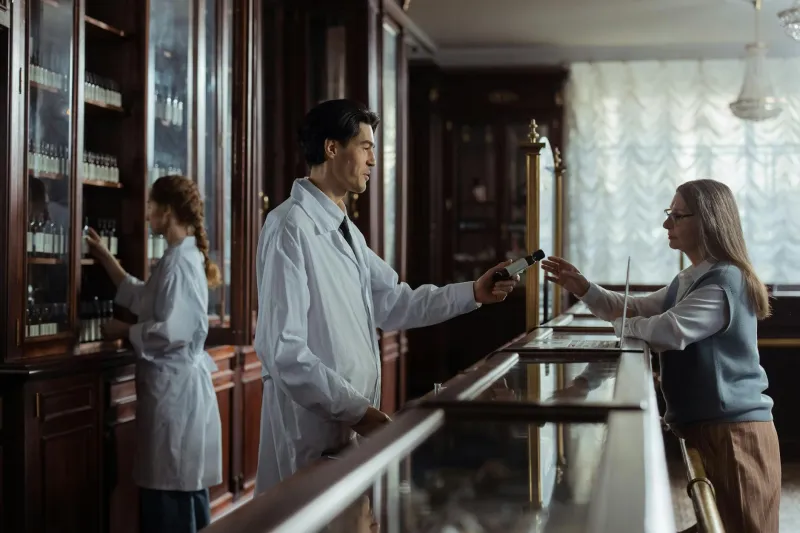
But rewind fifty years, and filling a prescription was an entirely different experience. Your neighborhood pharmacist didn't just count pills — he was often your family's first line of medical defense.
The Corner Drugstore Doctor
In 1970s America, most families had "their" pharmacist the same way they had "their" barber or "their" mechanic. These weren't corporate employees rotating through shifts; they were often the owners of small, independent pharmacies who served the same families for decades.
Mr. Peterson at Peterson's Pharmacy knew that your mother's migraines got worse in the spring. He remembered that your father couldn't tolerate certain blood pressure medications. When you came in with a prescription for antibiotics, he'd remind you to take them with food and ask if you needed something for the stomach upset they might cause.
This wasn't just good customer service — it was healthcare. In an era when many Americans saw their doctor once a year for a physical, if that, the pharmacist filled crucial gaps. He was the accessible medical professional, the one you could ask about that persistent cough or whether it was safe to take aspirin with your other medications.
The Art of Pharmaceutical Memory
Before computers tracked every prescription and interaction, pharmacists relied on something we've almost forgotten: their memory and handwritten records. They kept detailed files on every customer, often including notes about allergies, family medical history, and which medications had worked or failed in the past.
When Mrs. Johnson came in complaining that her new heart medication was making her dizzy, her pharmacist could flip through her file and see that she'd had the same reaction to a similar drug three years earlier. He'd call her doctor and suggest an alternative — often saving her weeks of trial and error.
These pharmacists also served as informal medical consultants. They'd notice patterns: if several customers came in with similar symptoms, they might alert the local doctor to a possible outbreak. They knew which over-the-counter remedies actually worked and which were marketing nonsense.
When Advice Came Free with Every Prescription
The corner pharmacist was also your family's medication educator. He'd explain not just what your pills did, but how they did it. He'd warn you about side effects your doctor might have forgotten to mention. Most importantly, he'd tell you the truth about whether you really needed that expensive brand-name drug or if the generic would work just as well.
This educational role was crucial because medical information wasn't at everyone's fingertips. You couldn't Google your symptoms or look up drug interactions on WebMD. Your pharmacist was often your only source of practical medical knowledge outside of your doctor's office.
The Corporate Takeover
By the 1990s, everything changed. Chain pharmacies began dominating the market, promising convenience and lower prices. Independent drugstores couldn't compete with the buying power of national chains or the convenience of having a pharmacy inside your grocery store.
But something important was lost in this transition. Today's pharmacy technicians — often the only people you interact with — are trained to process transactions, not provide medical advice. They might work at three different locations in a single week. The pharmacist, when you can find one, is buried behind a computer screen, processing hundreds of prescriptions per day.
Modern pharmacy software can catch dangerous drug interactions better than any human memory. But it can't notice that you look worried about a new medication, or remember that your family has a history of bad reactions to certain drugs, or suggest that you might want to talk to your doctor about that persistent cough.
What We Gained and Lost
Today's pharmaceutical system is undeniably more efficient and, in many ways, safer. Automated systems catch interactions that even the best pharmacist might miss. Generic drugs are more readily available. You can fill prescriptions at any location in a national chain.
But we've traded relationship for efficiency, knowledge for convenience. The average American now takes more prescription medications than ever before, yet has less personal guidance about how to take them safely and effectively.
The Human Element in Healthcare
The disappearance of the neighborhood pharmacist reflects a broader shift in American healthcare — from personal relationships to institutional transactions. We've gained precision and lost wisdom, efficiency and lost continuity.
That pharmacist who knew your family's medical history wasn't just providing customer service. He was part of a healthcare safety net that caught problems before they became emergencies, educated patients in ways that prevented mistakes, and provided the kind of personalized care that no algorithm can replicate.
In our rush to modernize healthcare, we've forgotten that medicine isn't just about pills and procedures — it's about people who understand not just your prescription, but your story.