The Errand That Ate the Whole Day: How America's Civic Services Stopped Respecting Your Time
The Errand That Ate the Whole Day: How America's Civic Services Stopped Respecting Your Time
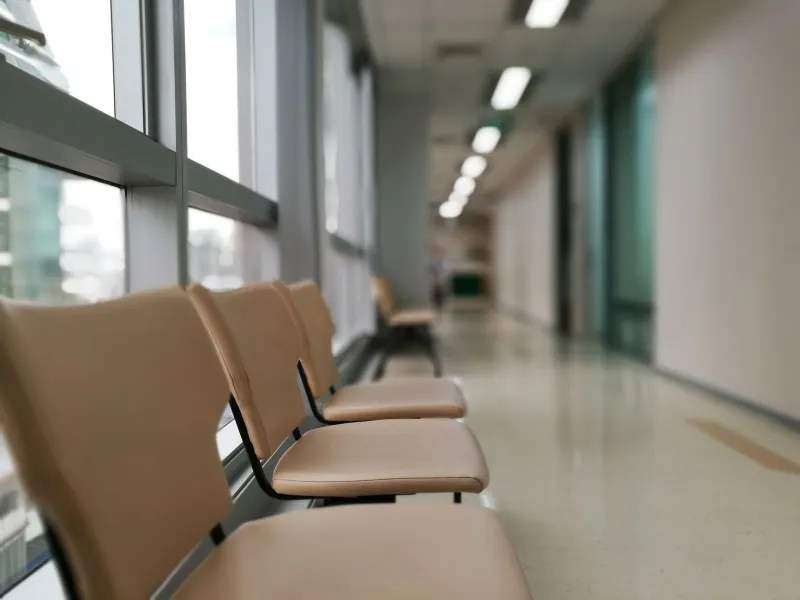
You blocked off a Tuesday morning. You figured two hours, tops. You brought a book, just in case. Four hours later, you're still in a plastic chair under fluorescent lights, watching a number board that hasn't moved in twenty minutes, wondering how something this routine got this complicated.
If that sounds familiar, you're not imagining the misery. But here's the thing — it didn't used to be like this.
When the DMV Was Actually Quick
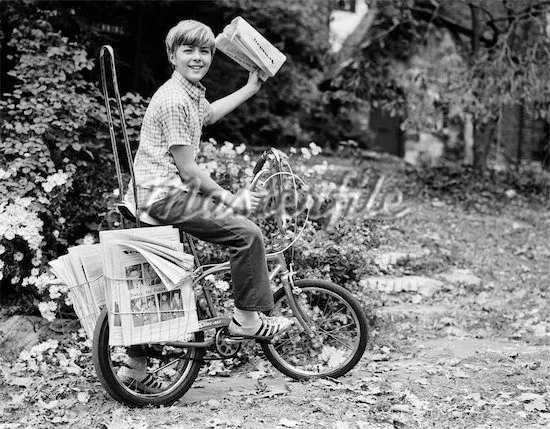
In the 1950s and 1960s, a trip to the Department of Motor Vehicles was, by most accounts, an unremarkable errand. Offices were smaller, sure, but so were the populations they served. More importantly, they were staffed in proportion to demand. You walked in, handed a form to a person sitting three feet away, and walked out with what you needed. The whole transaction might take twenty minutes. Some people remember it taking ten.
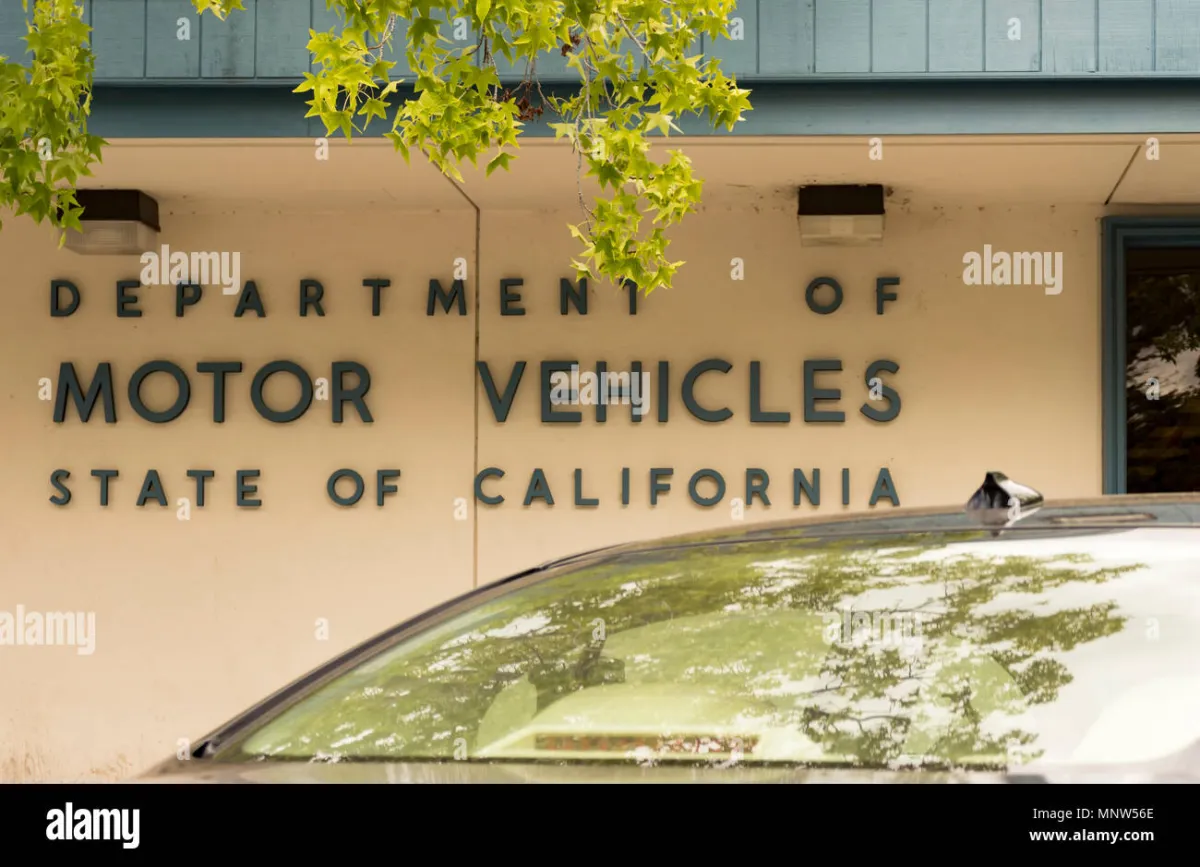 Photo: Department of Motor Vehicles, via c8.alamy.com
The post office operated on similar logic. Neighborhood branches were genuinely local — close to where people lived, staffed by workers who recognized regular customers, and built around the assumption that getting in and out quickly was a civic courtesy. City hall wasn't a labyrinthine bureaucracy you needed a guide to navigate. It was a building with departments that answered phones and kept reasonable hours.
This wasn't nostalgia-filtered perfection. There were inefficiencies, paperwork, and the occasional surly clerk. But the fundamental contract between citizen and civic institution was still more or less intact: your time was worth something, and the system was designed to acknowledge that.
What Changed — And When
The unraveling happened gradually, through a combination of forces that individually seemed reasonable but collectively proved devastating to the experience of getting anything done.
First came population growth. The suburban expansion of the 1970s and 1980s sent millions of new residents into counties and municipalities that hadn't scaled their services to match. DMV offices built for a city of 80,000 were suddenly absorbing 200,000 residents. The lines grew, but the buildings didn't.
Then came budget cuts. Through the 1980s and into the 1990s, the political consensus shifted toward leaner government. Staffing levels at public agencies were trimmed, hiring freezes were imposed, and the idea of generously staffed civic offices started to feel like a luxury rather than a baseline. The result was fewer clerks serving more people — a math problem with only one outcome.
At the same time, the scope of what these agencies handled expanded dramatically. Regulatory complexity multiplied the paperwork. New federal requirements layered onto state requirements layered onto local requirements. A simple transaction now required verifying three forms of ID, cross-referencing two databases, and printing a form that didn't exist five years ago.
The Digital Promise That Partially Delivered
When government websites and online portals arrived in the early 2000s, there was genuine optimism. You'd renew your registration from your couch. You'd file your permit application without leaving your desk. The waiting room would become obsolete.
For some things, this actually worked. Renewing a license plate in many states now takes about four minutes online. Certain permit applications, tax filings, and records requests moved smoothly into the digital world and stayed there.
But for anything that required a human being — anything that involved judgment, verification, or a situation slightly outside the standard template — the digital revolution mostly just relocated the frustration. Instead of waiting in a physical line, you waited in a virtual queue. Instead of a form you couldn't complete, you had a website that crashed. Instead of a clerk who couldn't answer your question, you had a chatbot that definitely couldn't.
And for the people who couldn't navigate the online systems — older Americans, those without reliable internet access, anyone whose situation didn't fit neatly into a dropdown menu — the digital shift made things actively worse. You now had to make an appointment online just to show up and wait in person.
The Appointment That Takes Three Weeks to Get
This is perhaps the most quietly absurd development in the modern civic-errand experience: the mandatory appointment for something that used to require no appointment at all.
In much of the country, you can't simply walk into a DMV anymore. You schedule online, wait two or three weeks for an opening, arrive at your designated time, and then wait anyway. The appointment system was sold as a solution to the waiting room problem. In practice, it just stretched the inconvenience across a longer timeline. You're not waiting ninety minutes on a Tuesday anymore — you're waiting nineteen days and then waiting ninety minutes on a Tuesday.
The post office has its own version of this dysfunction. Neighborhood branches have been systematically consolidated for decades. The USPS has closed thousands of local offices since the 1980s, funneling more customers into fewer locations. The branch that used to be six blocks away is now a twenty-minute drive, and it closes at 5 p.m.
What the Gap Really Costs
There's a real economic consequence to all of this that rarely gets discussed. When a routine civic errand consumes half a workday, the people who can least afford to lose that time are hit hardest. Hourly workers who can't take a long lunch. Parents who have to arrange childcare to sit in a government waiting room. Small business owners who can't step away for four hours on a Wednesday.
The efficiency of civic services isn't just a matter of personal convenience. It's a quiet measure of how much a society values the time of ordinary people. And by that measure, the gap between what these systems used to deliver and what they deliver now is wider than most of us stop to acknowledge.
Somewhere between the postwar neighborhood DMV and today's appointment-mandatory, website-crashing, number-ticket-dispensing experience, the system quietly decided your time was negotiable. You probably noticed. You just didn't have time to complain about it — you were still in line.