The Scrap of Paper That Said You Owned Your Car
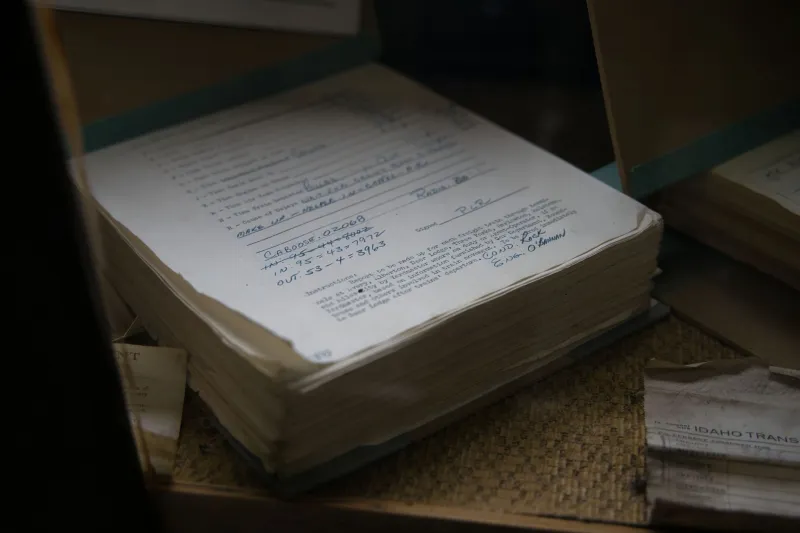
Somewhere in a shoebox in your parents' attic — or maybe your grandparents' — there's probably a faded receipt. Maybe it's for a 1967 Chevrolet Impala. Maybe it's a bill of sale for a refrigerator that cost $189 and came with free delivery. The ink is gray now, the paper soft at the folds, and the carbon copy beneath it is barely legible. That slip of paper, in its time, was everything. It was your proof. Your protection. Your entire legal standing as an owner.
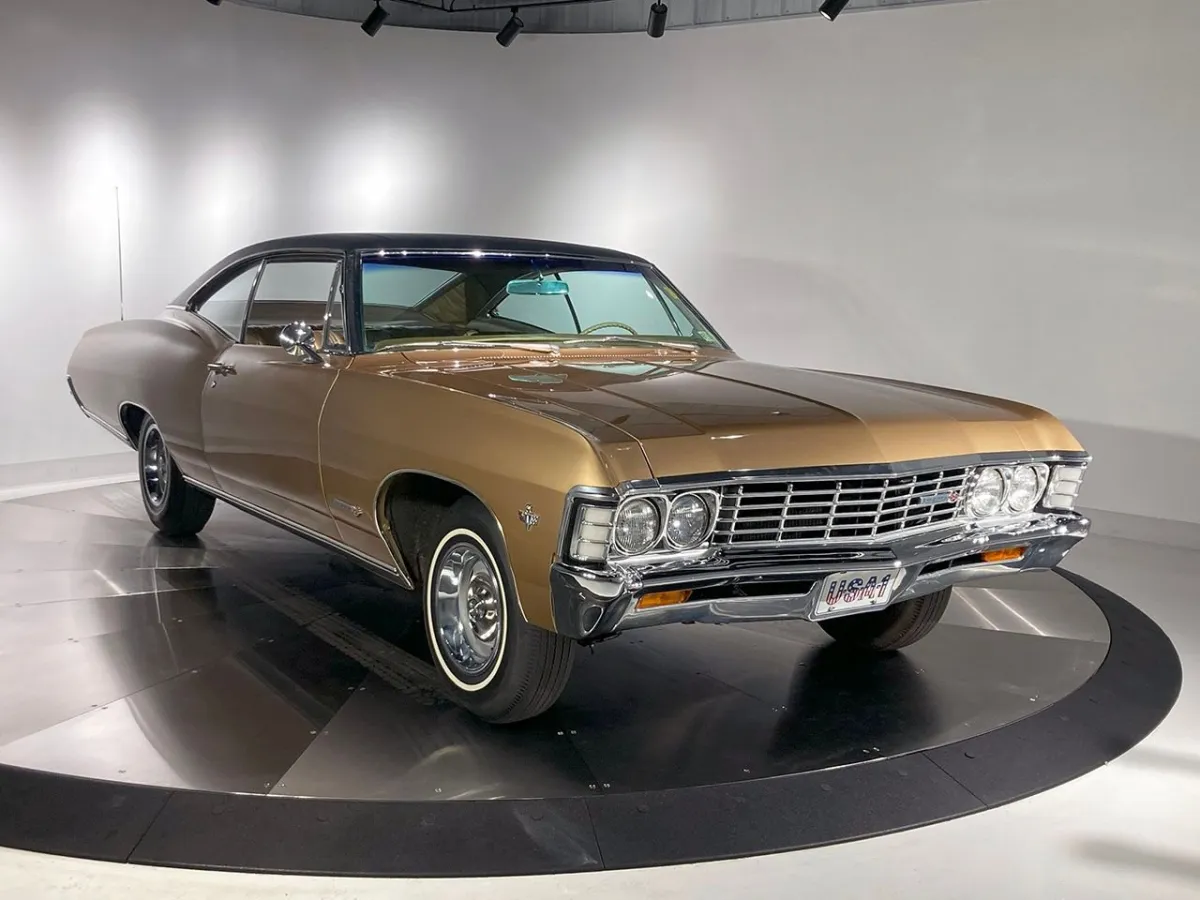 Photo: 1967 Chevrolet Impala, via cdn.dealeraccelerate.com
Lose it, and you had a problem.
The Carbon Copy Economy
Before computers, before barcode scanners, before point-of-sale systems that log every transaction to a server farm in Virginia, American commerce ran on paper in triplicate. The carbon copy — two or three sheets of paper interleaved with carbon-coated transfer sheets — was the closest thing to a backup system the retail world had. You pressed hard with your pen, and the pressure transferred a duplicate onto the sheet below. One copy for the seller. One copy for the buyer. Sometimes a third for a financing company or a government office.
For everyday purchases — a bag of flour, a movie ticket, a pair of shoes — no receipt at all was common. You paid, you took your goods, and the transaction existed only in the ledger behind the counter and your own memory. For larger purchases, the paper got more serious. A car dealership would produce a bill of sale, a financing agreement, and sometimes a separate delivery receipt, all handwritten or typed on a manual typewriter, all signed in ink.
The document itself was the record. There was no other version of it anywhere.
What Happened When the Paper Disappeared
This created a vulnerability that people today almost never have to think about. Your proof of ownership was a physical object subject to all the hazards of physical objects.
House fires were the obvious catastrophe. Families who lost their homes to fire in the mid-20th century often lost their title documents, insurance policies, birth certificates, and vehicle registrations simultaneously. Reconstructing legal ownership of a car or a piece of property after a fire could take months of correspondence with county clerks, dealers who might have closed, and finance companies that had changed names or merged.
Water damage, mold, simple misplacement — all of it carried real legal risk. A faded receipt might be dismissed in a dispute. A signature that had bled into illegibility proved nothing. And in rural areas especially, informal transactions were common enough that the paper trail was thin even at the start. A farmer buying a used tractor from a neighbor might seal the deal with nothing more than a handshake and a scrawled note on whatever paper was nearby.
Disputes over ownership were, as a result, surprisingly common and surprisingly difficult to resolve. The phrase "your word against mine" wasn't a rhetorical expression — it was a literal description of how many ownership conflicts actually played out.
The Dealer's Drawer and the County Courthouse
The system had its redundancies, to be fair. Car dealerships kept their own ledger copies. County courthouses recorded real estate transactions in bound deed books that were, in theory, fireproof and permanent. State motor vehicle departments maintained title records. Banks held copies of loan documents.
But accessing those backups was nothing like pulling up a digital record. If you needed to verify that you'd paid off your car loan in 1958, you wrote a letter to the finance company and waited two weeks for a response. If you were disputing a property boundary, you drove to the county seat, found parking, walked into the records room, and spent an afternoon with a clerk pulling physical deed books from shelves.
The information existed. Getting to it required time, transportation, and the cooperation of whoever was behind the counter that day.
And unlike today's digital records — which are copied redundantly across multiple servers and backed up automatically — a courthouse fire could genuinely erase the legal history of an entire county. It happened. Courthouse fires in the 19th and early 20th centuries wiped out property records across large parts of the South, creating land ownership disputes that persisted for generations.
What Trust Filled In
What's remarkable, looking back, is how much of this system was held together not by documentation but by reputation.
In a town where everyone knew the hardware store owner, the dealer's word carried weight that a piece of paper almost couldn't match. If Hendricks Ford on Main Street said you'd paid off your truck, that was generally good enough. If your neighbor vouched that you'd bought that parcel of land from him fair and square, the community accepted it. The social fabric was a parallel record-keeping system, and it was surprisingly robust.
 Photo: Hendricks Ford, via bringatrailer.com
This is the same trust economy that showed up in how Americans borrowed money, rented apartments, and got hired for jobs in an earlier era — personal reputation doing work that we've since outsourced to databases and credit scores.
Every Transaction, Forever
Now consider the opposite world you live in today.
Every credit card transaction is logged instantly across your bank's servers, the merchant's system, the card network's infrastructure, and potentially a third-party payment processor. Your car title exists as a digital record at the DMV that can be pulled up in seconds. Your mortgage is recorded electronically with the county and backed up by the lender, the title company, and any investors who hold the loan.
You can lose your wallet, your phone, your house, and every physical document you own, and your financial and ownership history will still be completely intact, retrievable from multiple independent sources within minutes.
The shoebox in the attic used to be load-bearing. Now it's just nostalgia.
That faded carbon copy of a 1967 Impala purchase isn't just a piece of paper. It's a snapshot of a world where owning something required you to physically hold the proof — and where losing a receipt could cost you a car.