Justice in the Storefront: When Ordinary Americans Could Actually Afford to Be Right
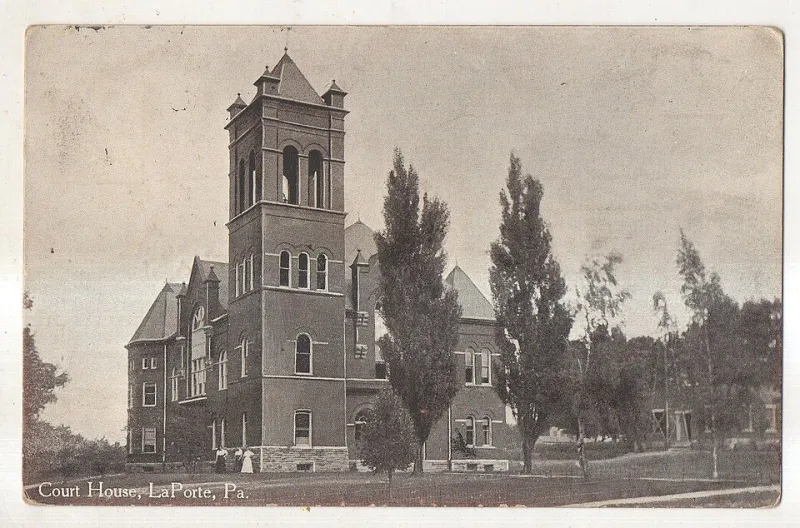
Photo: Unknown authorUnknown author, Public domain, via Wikimedia Commons
Picture a room above a hardware store in rural Ohio, sometime in the 1920s. Two neighbors — one a farmer, one a fence contractor — are standing before a justice of the peace who is also, on alternating days, a grain merchant. There are no lawyers present. There is no stenographer. The JP listens to both men, asks a few pointed questions, and renders a decision about where the property line actually falls. The whole thing takes forty minutes. Each man pays a small filing fee. They walk down the stairs and back into their lives.
That was American justice for a very long time. Not perfect. Not always fair. But accessible, fast, and scaled to the disputes that actual people actually had.
Today, if those same two neighbors tried to resolve that same boundary dispute, they'd be looking at attorney consultations, title searches, survey fees, potential mediation, possible court dates months away, and a total cost that could easily exceed the value of the land in question. The legal system hasn't just gotten more expensive. It's gotten more distant — structurally removed from the everyday disagreements it was originally built to handle.
The Justice of the Peace Was Everywhere
The justice of the peace is one of the oldest legal institutions in American history, imported from English common law and embedded in nearly every state's constitution from the founding era forward. At its peak in the nineteenth and early twentieth centuries, the JP system was genuinely ubiquitous. There were justices operating in rural townships, small towns, city neighborhoods, and frontier settlements. They weren't lawyers, typically. They were respected local figures — merchants, farmers, former officeholders — who were elected or appointed to handle the low-level legal business of their communities.
And there was a lot of that business. Unpaid debts between neighbors. Disputes over livestock that wandered onto the wrong property. Wage disagreements between workers and small employers. Contracts made on a handshake that one party later claimed never existed. These weren't the stuff of landmark cases. They were the friction of ordinary life — and the JP system existed specifically to resolve that friction without requiring anyone to travel to a county seat, hire representation, or wait out a court docket.
The informality was a feature, not a bug. Proceedings were conducted in plain language. Evidence was presented conversationally. The justice asked questions directly. Decisions came quickly. And because the JP lived in the same community as the people appearing before him, there was at least a reasonable chance he already understood the context.
Small Claims Courts Carried the Torch
As the JP system gradually faded through the mid-twentieth century — replaced in many states by more formalized local court structures — small claims courts stepped in to preserve some of that accessibility. The concept was similar: a streamlined, low-cost venue for disputes involving modest dollar amounts, designed to be navigated without legal counsel.
At their best, small claims courts were genuinely democratic institutions. A tenant could challenge an unfair security deposit deduction. A customer could pursue a contractor who'd taken payment and disappeared. A small business owner could recover an unpaid invoice without spending more on legal fees than the invoice was worth. The paperwork was manageable. The filing fees were low. The wait times, while never instant, were measured in weeks rather than years.
For decades, this system worked reasonably well for the disputes it was designed to handle. It wasn't glamorous. It wasn't perfect. But it kept the legal system within reach of people who couldn't afford to make it a profession.
How the Gap Opened Up
The erosion has been gradual but relentless. Dollar limits for small claims filings — which determine the maximum amount you can sue for in that venue — have failed to keep pace with inflation in many states, effectively shrinking the range of disputes the system can address. Court consolidation has closed local branches and centralized proceedings in locations that are harder to reach for people without flexible schedules or reliable transportation.
Perhaps more significantly, the legal system surrounding small claims has grown more complicated even as the courts themselves have tried to remain simple. Defendants increasingly show up represented by attorneys — particularly when the defendant is a corporation, a landlord, or an employer — which creates an asymmetry that the system was never designed to manage. A person representing themselves against a trained attorney, even in an informal setting, is at a structural disadvantage that no amount of good faith can fully overcome.
Online dispute resolution platforms have emerged to fill some of the void, and for certain categories of consumer complaints — a wrong item shipped, a subscription that won't cancel — they work reasonably well. But they operate entirely within the terms set by the companies that built them, which means the party with more resources still has a significant advantage in how disputes get framed and resolved.
What Was Actually Being Preserved
It's easy to romanticize the old local justice system in ways that paper over its real failures. JP courts in the Jim Crow South were instruments of oppression, not fairness. Informal local justice could be captured by whoever held social power in a given community. The intimacy that made the system accessible also made it susceptible to favoritism and bias.
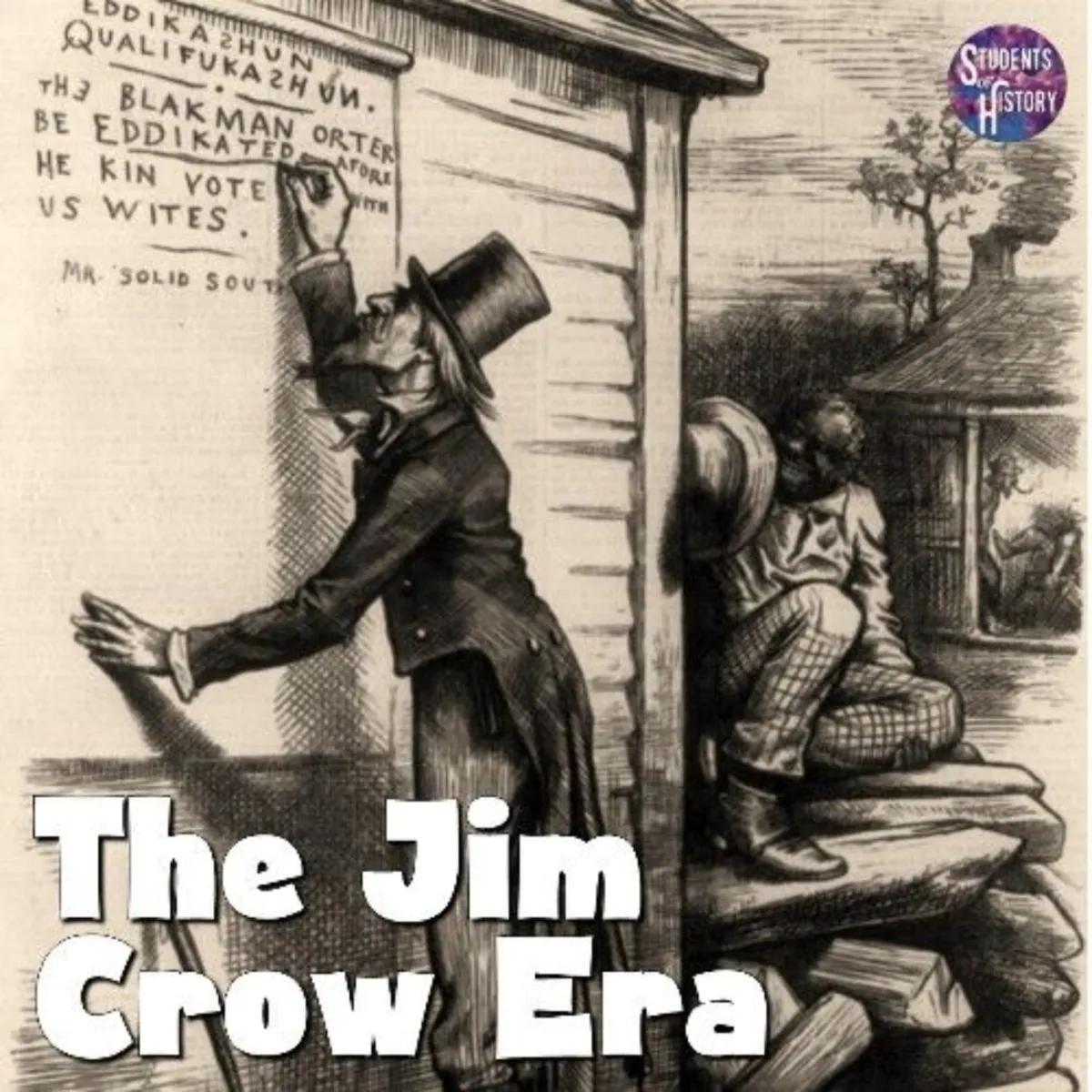 Photo: Jim Crow South, via kajabi-storefronts-production.kajabi-cdn.com
But acknowledging those failures doesn't require pretending the underlying idea was wrong. The idea was this: that ordinary disputes between ordinary people deserve a resolution mechanism that ordinary people can actually use. That justice shouldn't require a financial investment so large it makes more sense to absorb the wrong than to fight it. That the law should be legible to the people it governs.
That idea hasn't gone anywhere. The infrastructure built to support it has.
The Distance Between Then and Now
The now gap here isn't just about legal procedures. It's about what happens to communities when the mechanism for resolving low-level conflict becomes too expensive and complicated to use. Disputes that would once have been settled in forty minutes above a hardware store now either fester, escalate, or get abandoned — because the cost of resolution has grown larger than the dispute itself.
The storefront courtroom is gone. What replaced it serves a different clientele, at a different price point, on a different timeline. Whether that's progress depends entirely on which side of the counter you're standing on.