The Man Behind the Counter Who Knew Your Whole Family: How America Lost the Art of Neighborhood Commerce
When Shopping Meant Something More Than Scanning
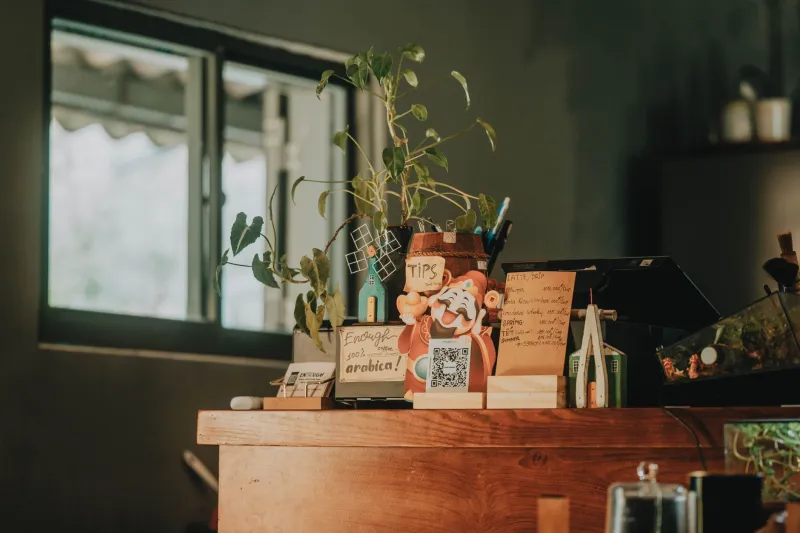
Walk into any 7-Eleven or gas station convenience store today, and you'll encounter a predictable scene: fluorescent lights humming over rows of identical products, a cashier who might grunt hello if you're lucky, and a transaction that ends the moment you swipe your card. It's efficient, anonymous, and utterly forgettable.
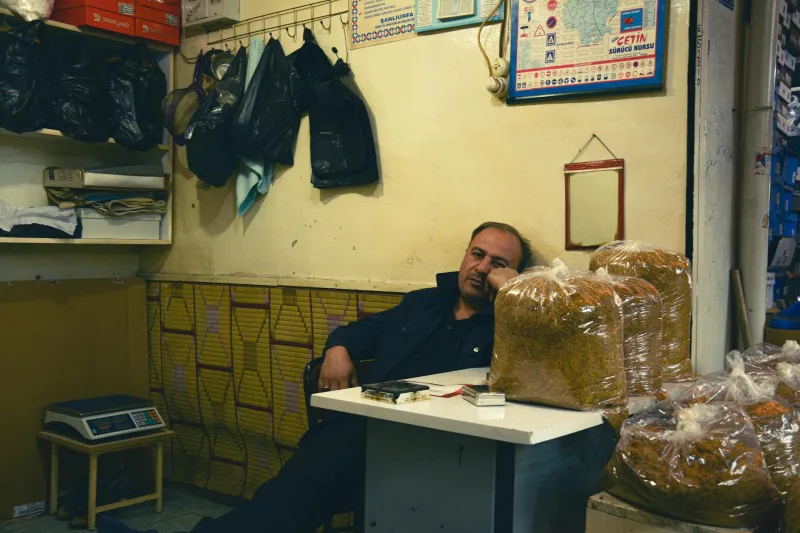
But for most of American history, buying groceries, hardware, or household essentials meant something entirely different. It meant walking into Frank's corner store, where Frank knew your grandmother had diabetes and would set aside the sugar-free cookies when they came in. Where he'd let your family run a tab during tough months and somehow always remembered that your youngest was allergic to peanuts.
The Corner Store Universe
In 1960, America had over 58,000 independent corner stores and small grocers. These weren't quaint throwbacks — they were the backbone of neighborhood commerce. The typical corner store owner lived above or behind the shop, knew three generations of customers by name, and stocked shelves based on what Mrs. Johnson's arthritis needed or what the O'Brien kids would buy with their allowance.
These stores operated on relationships, not algorithms. The owner might carry a specific brand of coffee because old Mr. Peterson served in Korea and it reminded him of the PX. When the local high school's football team made the playoffs, suddenly the store would stock extra soda and chips for the post-game crowd.
Credit worked differently too. Instead of plastic cards and credit scores, you had Frank's mental ledger. He knew your father worked at the plant, that payday was Friday, and that you'd always been good for it. Families could buy groceries on Tuesday and settle up at week's end — a system built on trust that somehow worked for generations.
When Everything Changed
The death blow came from multiple directions. Chain stores like 7-Eleven began franchising aggressively in the 1970s, offering consistency and longer hours. Supermarkets grew larger and moved to suburban strip malls, promising lower prices through volume buying. Credit cards eliminated the need for local trust networks.
By 1990, those 58,000 independent stores had shrunk to fewer than 15,000. Today, that number hovers around 8,000 — and many of those are struggling against Amazon delivery and mobile grocery apps.
The efficiency gains were real. Chain stores could stock 3,000 items instead of 300. They stayed open 24/7. Prices dropped thanks to corporate purchasing power. No one can argue that buying toilet paper at 2 AM isn't more convenient than waiting for Frank to open at 8.
What the Spreadsheets Missed
But something important disappeared in the transition — something that never showed up on balance sheets or efficiency reports.
Corner stores were community information hubs. Frank knew who was hiring, whose kids were getting married, and which neighbors might need help during hard times. The store served as an informal social safety net, a place where struggling families could maintain dignity while getting help.
These stores also responded to neighborhood needs in ways that corporate algorithms never could. When the Johnson family moved in from Puerto Rico, Frank learned enough Spanish to help them shop and slowly began stocking plantains and Goya products. When the neighborhood aged, he carried more items for seniors. When young families moved in, suddenly there were more kid-friendly snacks and baby supplies.
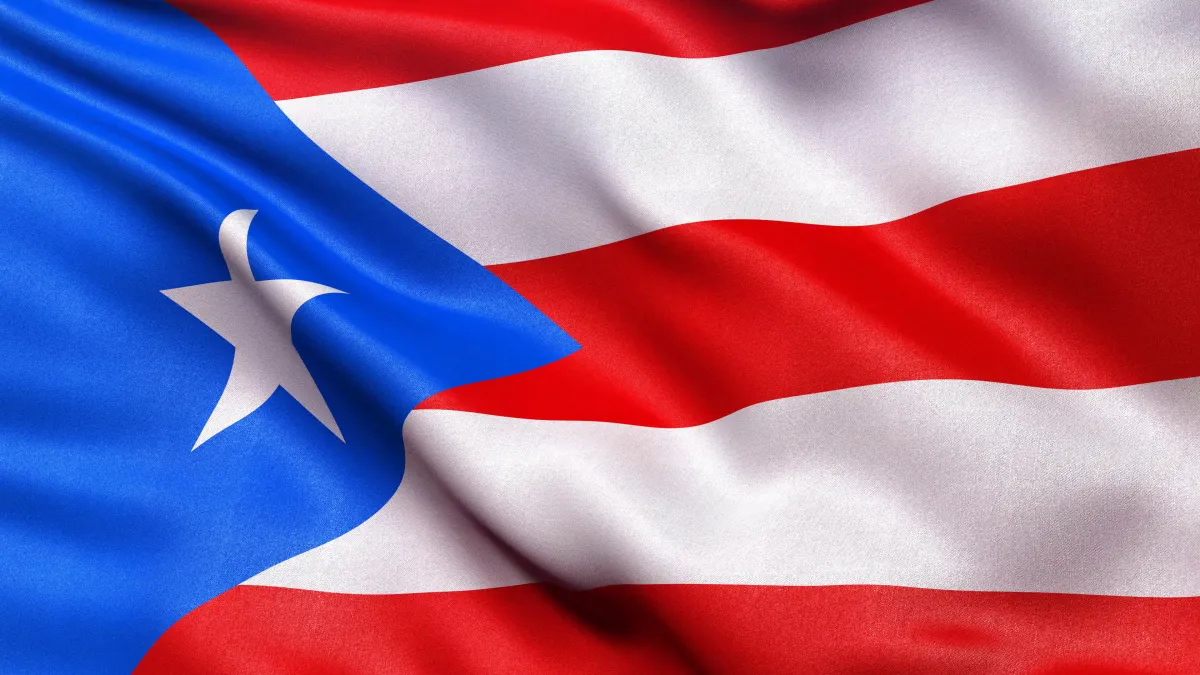 Photo: Puerto Rico, via getwallpapers.com
The loss wasn't just commercial — it was social. Kids learned math by counting change, developed social skills by talking to adults, and absorbed lessons about trust and community responsibility. Parents had another set of eyes watching their children and another adult who cared about their family's wellbeing.
The Algorithm Knows You Better Than Frank Ever Did
Modern retail promises personalization through data. Amazon knows you buy the same detergent every six weeks. Target's algorithms can predict pregnancies from shopping patterns. Grocery store loyalty cards track every purchase and generate customized coupons.
But there's a crucial difference between data-driven personalization and human connection. Frank might have noticed you looked stressed and asked if everything was okay at home. He celebrated your kids' achievements and mourned your losses. The algorithm knows your buying habits; Frank knew your life.
Today's convenience stores stock what corporate headquarters determines will sell nationwide. Frank stocked what his specific neighborhood needed. The difference explains why you can buy energy drinks and lottery tickets everywhere, but finding a decent tomato or fresh bread in many neighborhoods requires a car trip to the suburbs.
The True Cost of Convenience
We gained efficiency and lost community. We gained 24/7 access and lost personal relationships. We gained lower prices and lost the social fabric that held neighborhoods together.
The corner store wasn't just a business model — it was a social institution. Its disappearance represents one of the quieter casualties of American modernization, a reminder that not everything we've streamlined was actually broken.
Some cities are trying to bring back corner stores through zoning changes and small business incentives. But recreating Frank's store in an Amazon world isn't just about retail space — it's about rebuilding the social trust and neighborhood connections that made those stores possible in the first place.
The next time you grab milk from a chain store, remember: you're not just buying a product. You're participating in a transaction that would have been unimaginable to your grandparents — efficient, anonymous, and strangely lonely.