Pennies from Pavement: The Lost Art of Turning Trash Into Treasure Money
The Sidewalk Treasure Hunt
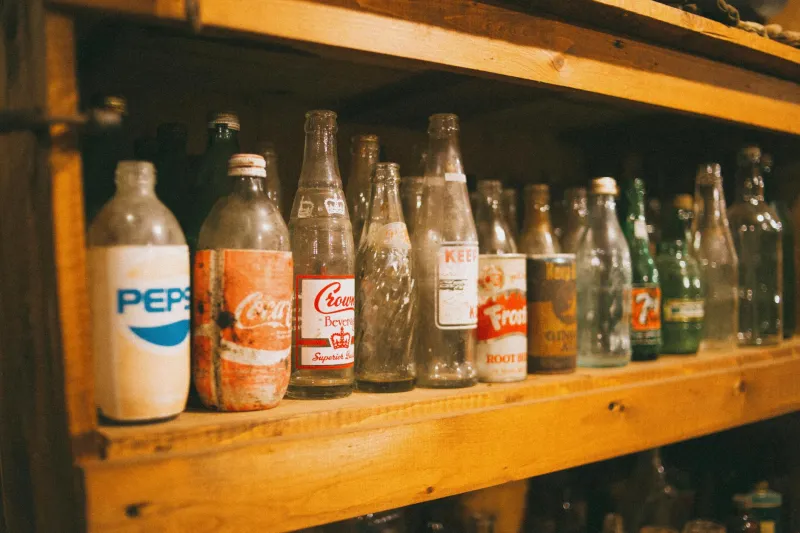
Every American kid knew the sound: the satisfying clink of glass bottles settling into a shopping bag, each one worth a nickel at the corner store. For generations of children, weekends meant scouring neighborhoods, parks, and roadside ditches for discarded soda bottles that might as well have been scattered coins.
This wasn't just recycling — it was a thriving underground economy that turned America's litter problem into kids' spending money.
Before participation trophies and structured activities consumed childhood, kids created their own financial opportunities. They learned that money came from effort, that persistence paid off, and that the difference between having spending money and being broke often came down to how willing you were to walk a few extra blocks.
When Garbage Was Gold
The bottle deposit system created something remarkable: it made trash valuable. Every discarded Coca-Cola bottle represented a nickel waiting to be claimed. Every beer can tossed from a car window was essentially loose change scattered on the pavement.
Kids developed sophisticated collection strategies. They mapped out the best hunting grounds — construction sites, parks after weekend barbecues, the parking lots behind bars and restaurants. They learned to time their routes around garbage pickup, swooping in before the trucks arrived to claim bottles that careless adults had thrown away.
Some enterprising children negotiated deals with local businesses, offering to clean up bottle-strewn parking lots in exchange for keeping whatever they found. Others formed informal partnerships with older siblings who had bicycles, expanding their collection radius beyond walking distance.
The economics were straightforward and transparent. Work harder, walk farther, and you'd have more money. Skip a day of bottle hunting, and your pocket change reflected that choice immediately.
The Paper Route Empire
While bottle collecting provided quick cash, paper routes offered something even more valuable: a real business with regular customers and steady income.
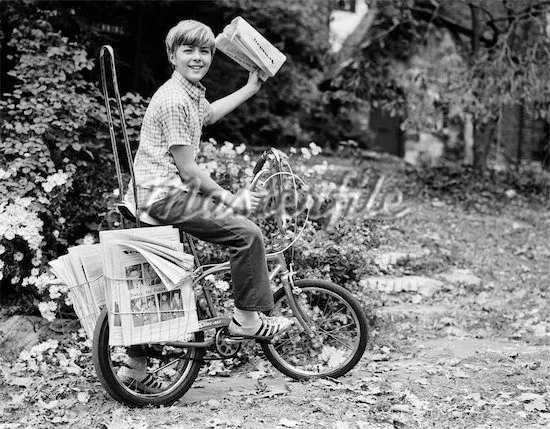
Every morning before school, thousands of American kids loaded canvas bags with newspapers and set out on predetermined routes. They knew which customers tipped at Christmas, which houses had aggressive dogs, and which porches provided the best shelter during rain storms.
This wasn't make-work designed to teach responsibility — it was genuine economic activity. Newspapers needed delivery, customers expected reliable service, and kids provided both while learning lessons no classroom could replicate.
Paper route kids understood customer service before they knew the term existed. They learned that showing up mattered, that consistency built trust, and that small gestures — like making sure the paper landed on the porch instead of in the bushes — directly affected their income.
The Lemonade Stand Graduate School
Lemonade stands, lawn mowing, snow shoveling, leaf raking — these weren't cute childhood activities, they were entry-level entrepreneurship. Kids identified neighborhood needs and figured out how to meet them profitably.
A successful lemonade stand taught market research (busy street corners sold more), inventory management (how much lemonade to make), and customer relations (smile and say thank you). Kids learned to read their market, adjusting prices based on weather, competition, and foot traffic.
Lawn mowing introduced concepts like recurring revenue and customer retention. Smart kids built relationships with homeowners, showing up reliably all summer and earning steady weekly income. They learned to negotiate prices, manage equipment, and handle the occasional difficult customer.
Winter brought snow shoveling opportunities, teaching kids about seasonal business cycles and the value of being prepared when opportunity struck.
The Death of Kid Economics
Today's children live in a fundamentally different economic environment. Bottle deposits have largely disappeared, replaced by single-stream recycling programs that eliminate the financial incentive for individual collection. Paper routes have been consolidated into adult jobs requiring cars and covering massive territories.
Most significantly, the informal neighborhood economy that supported kid entrepreneurship has been regulated, suburbanized, and professionalized out of existence.
Modern parents hire landscaping companies instead of neighborhood kids. Homeowners associations prohibit lemonade stands. Child labor laws, while well-intentioned, often prevent kids from doing the kinds of small jobs that once provided both income and education.
What We Lost When We Professionalized Childhood
The disappearance of kid-friendly economic opportunities represents more than just fewer ways for children to earn spending money. We've eliminated crucial learning experiences that can't be replicated in classrooms or through allowances.
Earning money through bottle collecting taught kids that value exists in unexpected places. Paper routes demonstrated the connection between reliability and income. Lemonade stands provided lessons in customer service, profit margins, and market dynamics.
These experiences were fundamentally different from receiving allowances or gift money. The kids had to identify opportunities, develop strategies, and accept the direct consequences of their effort levels.
The Allowance Substitute
Modern parents often try to replicate these lessons through structured allowance systems tied to chores and behavior charts. While well-intentioned, these arrangements lack the authentic market dynamics that made bottle collecting and paper routes so educational.
Allowances come from parents, not customers. The "payment" is guaranteed regardless of market conditions, customer satisfaction, or competitive pressures. Kids learn to manage money they receive, but they miss the more fundamental lesson of creating value that others willingly pay for.
The Digital Age Dilemma
Today's kids are more entrepreneurial in some ways — they create YouTube channels, sell crafts on Etsy, and develop apps. But these digital opportunities require skills, equipment, and parental involvement that make them accessible to fewer children.
The beauty of bottle collecting was its democratic accessibility. Any kid could participate regardless of family income, special talents, or technological resources. All you needed were legs, eyes, and the willingness to walk around looking for discarded bottles.
The Lessons We Can't Teach
Some of the most valuable aspects of the old kid economy can't be replicated through modern alternatives. The independence of walking neighborhoods alone, the satisfaction of finding something valuable that others overlooked, the direct relationship between effort and reward — these experiences shaped character in ways that structured activities and digital alternatives simply can't match.
We've gained safety, oversight, and protection for children. But we've also lost something irreplaceable: the chance for kids to experience genuine economic agency in an age-appropriate, low-stakes environment.
The next time you see a discarded bottle on the sidewalk, remember that it once represented something more than litter. It was a small piece of an economic system that taught American children lessons about work, value, and self-reliance that no amount of modern parenting wisdom can fully replace.