Why America Never Learned to Nap: The Cultural War Against Midday Rest
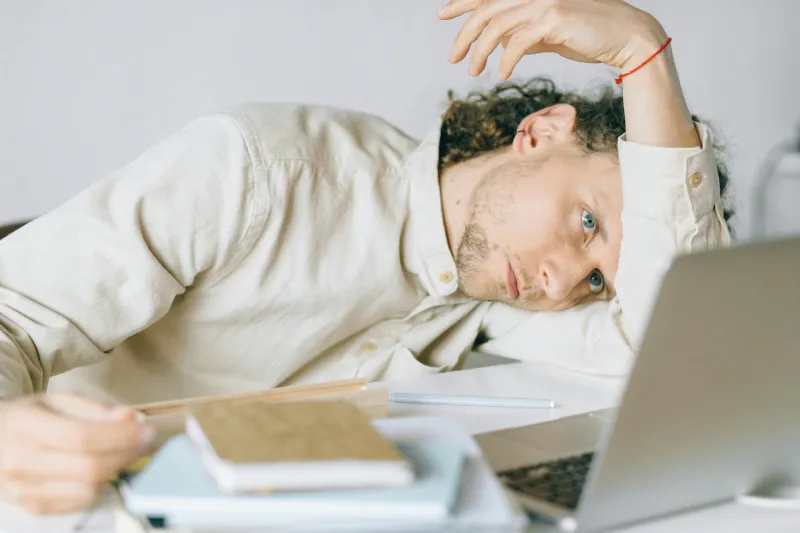
The Universal Language of Rest
Walk through any Spanish town at 2 PM and you'll find something remarkable: silence. Shops closed, streets empty, an entire civilization collectively acknowledging that the human body needs a break. This wasn't laziness — it was wisdom passed down through generations who understood that fighting your circadian rhythm was like swimming against a riptide.
Yet somehow, America never got the memo.
While cultures across the Mediterranean, Latin America, and Asia built afternoon rest into the very fabric of daily life, the United States decided that midday fatigue was a character flaw to overcome, not a biological reality to embrace. The result is a nation of people fighting their own bodies every single afternoon, sustained by coffee and sheer willpower.
When America Almost Embraced the Nap
It wasn't always this way. Early American settlers brought European work rhythms with them — long midday breaks, seasonal schedules that followed natural light, and an understanding that sustained labor required sustained rest. Farmers worked dawn to noon, rested during the heat, then returned to fields in the cooler evening hours.
Even into the early 1900s, many American businesses closed for lunch — not for a quick sandwich, but for genuine rest. Department stores shuttered for two hours. Offices emptied. The idea that humans needed to recharge wasn't revolutionary; it was common sense.
Then industrialization changed everything.
The Assembly Line Versus Biology
Henry Ford's assembly line didn't just revolutionize manufacturing — it declared war on natural human rhythms. Machines didn't need naps. They didn't experience the post-lunch energy dip that researchers now know affects virtually every human on Earth. They just kept running, and Ford expected his workers to do the same.
 Photo: Henry Ford, via as2.ftcdn.net
The message was clear: efficiency meant ignoring biology. Rest was something you earned after eight straight hours, not something your body naturally craved at 2 PM.
As electric lighting made round-the-clock work possible, the American work culture began treating the human need for rest as an inconvenience to overcome rather than a reality to accommodate. While Spain was institutionalizing the siesta and Japan was perfecting the art of the power nap, America was perfecting the art of the afternoon coffee run.
What the Science Actually Says
Modern sleep research has vindicated every culture that ever embraced the midday rest. Our circadian rhythms naturally dip between 1 PM and 3 PM — a phenomenon so universal that researchers call it the "post-lunch dip," even though it happens regardless of whether you eat lunch.
This isn't cultural conditioning or learned behavior. It's hardwired into human DNA. Our core body temperature drops, our alertness plummets, and our bodies literally prepare for sleep. Fighting this natural rhythm is like trying to stay awake at midnight — possible, but exhausting.
Studies consistently show that a 10-20 minute nap between 1 PM and 3 PM improves alertness, memory, and cognitive performance for the rest of the day. It's not just beneficial — it's optimal human functioning.
Yet most American workplaces treat afternoon drowsiness as a sign of laziness, poor work ethic, or too much lunch. We've medicalized a normal biological function, turning what should be rest time into guilt time.
The Productivity Paradox
Here's the irony: in rejecting rest, America may have actually undermined its own productivity goals. Countries that embrace afternoon rest often outperform the United States in measures of worker satisfaction, creativity, and even economic output per hour worked.
Spain's economy doesn't collapse during siesta hours — it optimizes. Workers return refreshed, alert, and capable of sustained focus through the evening. Meanwhile, American workers spend their afternoons in a caffeine-fueled haze, fighting biology with stimulants.
The modern American workplace has created an elaborate infrastructure to combat natural human rhythms: coffee shops on every corner, energy drinks marketed as productivity tools, and a culture that treats exhaustion as dedication. We've built an entire economy around fighting our own biology.
The Cost of Never Stopping
The consequences of America's war on rest extend far beyond individual fatigue. Chronic sleep deprivation — including the failure to honor natural rest periods — contributes to everything from obesity to depression to decreased immune function.
When you're constantly fighting your circadian rhythm, your body exists in a state of low-level stress. Cortisol levels remain elevated, concentration suffers, and decision-making deteriorates. What looks like dedication often becomes diminished performance disguised as busy work.
Meanwhile, cultures that embrace rest report higher levels of life satisfaction, better work-life balance, and often superior economic outcomes per hour worked. They understood something America forgot: rest isn't the opposite of productivity — it's the foundation of it.
The Gap We Created
Today, the gap between America's approach to rest and the rest of the world's has never been wider. While Silicon Valley companies install nap pods and European workers enjoy mandated rest periods, most American workplaces still view afternoon fatigue as a personal failing.
We've created a culture where admitting you're tired at 2 PM feels like admitting weakness, where pushing through exhaustion is praised as commitment, and where the most natural thing in the world — resting when your body needs rest — has become a luxury most people can't afford.
In choosing productivity over biology, America didn't just reject the nap. It rejected thousands of years of human wisdom about what bodies need to function optimally. The result is a nation of people fighting themselves every single afternoon, wondering why they're tired when the answer is written in their DNA.
The rest of the world figured this out long ago. America is still catching up.